STRANGE RULES
STRANGE RULES
curated by Mat Dryhurst, Holly Herndon, and Hans Ulrich Obrist
with Adriana Rispoli
Joshua Citarella, Harold Cohen, Primavera De Filippi, Simon Denny with Venkatesh Rao, Stephanie Dinkins, Fabien Giraud, Lawrence Abu Hamdan, He Zike, Holly Herndon & Mat Dryhurst, Lynn Hershman Leeson, Ho Tzu Nyen, New Models, Ayoung Kim, Agnieszka Kurant, Michael Levin, Trevor Paglen, Philippe Parreno, Lorenzo Senni, Avery Singer, Ken Stanley, sub, terra0
May 4 - November 22, 2026
-
The project marks a significant evolution in the Palazzo’s mission to serve as a living site of contemporary production which brings the humanities and sciences together.
Strange Rules introduces the concept of Protocol Art, a practice that engages with the underlying rules that dictate how culture is produced, distributed, and perceived in a digital age. These rules frequently manifest as algorithms, artificial intelligence models, computer protocols, platforms, and various technological infrastructures. Protocol Art does not simply use these tools; it exposes, analyses, and transforms them into artistic material itself.
Consequently, the artwork is not merely a final product, it is a process governed by instructions, representing the invisible architecture that enables the aesthetic experience. This shift in perspective - moving from the object to the system, and from the singular author to collaboration and ultimately human-machine co-creation - defines one of the most urgent territories in contemporary research.
The launch of Strange Rules inaugurates Palazzo Diedo, Venice, as the first space in Italy to foster a curatorial and theoretical reflection on Protocol Art, positioning itself at the forefront of the debate regarding the relationship between art and technology.
Alongside the exhibition, a major new publication will establish the first comprehensive account of Protocol Art as a field of practice. Research for this landmark volume will unfold throughout the duration of Strange Rules, with Palazzo Diedo serving as both exhibition site and working research environment. The resulting book aims to be a defining reference for Protocol Art, mapping its key works, practitioners, and theoretical foundations across art and technology.
The project will transform the historic architecture of Palazzo Diedo into a dynamic laboratory of ideas:
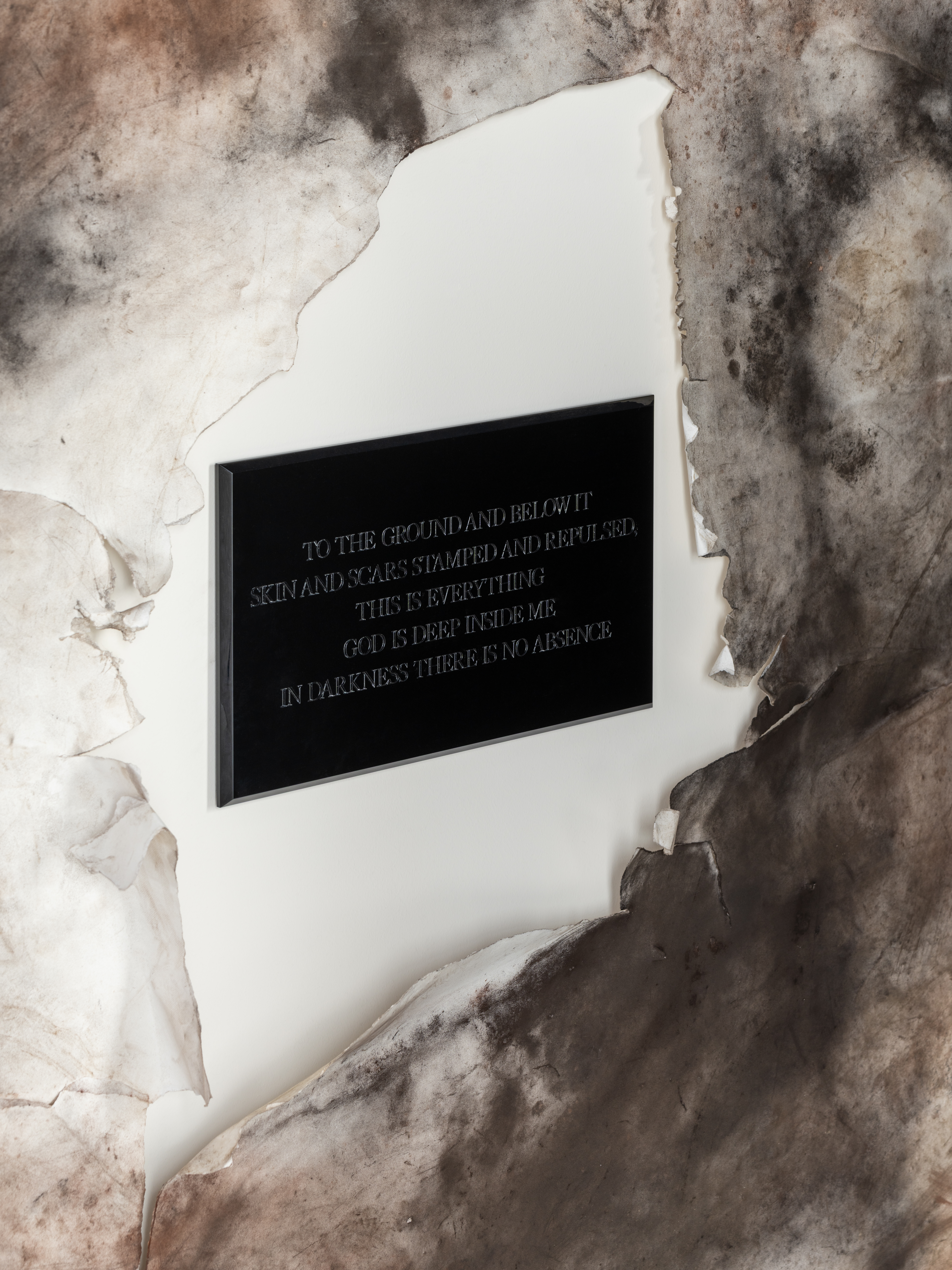
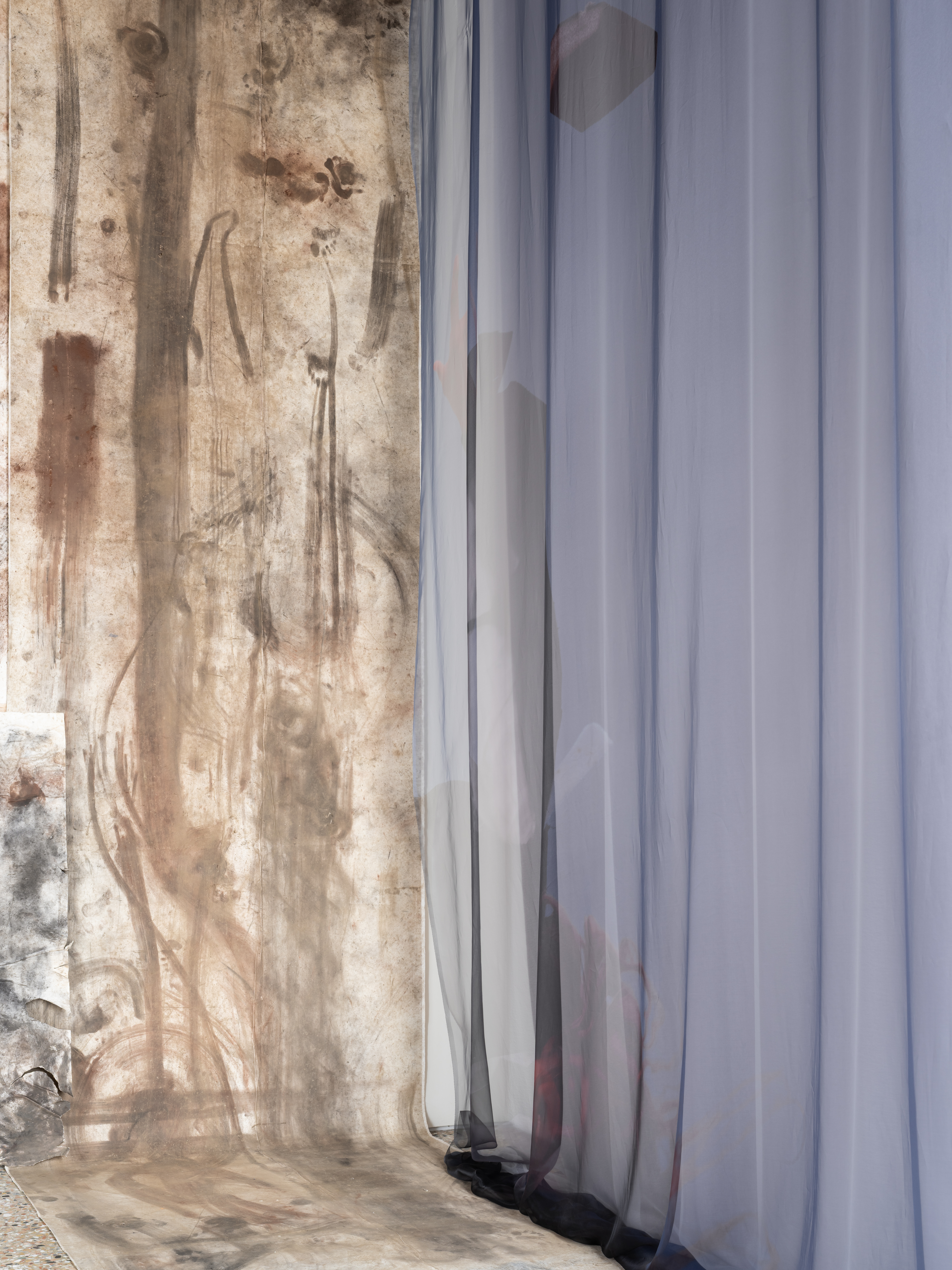
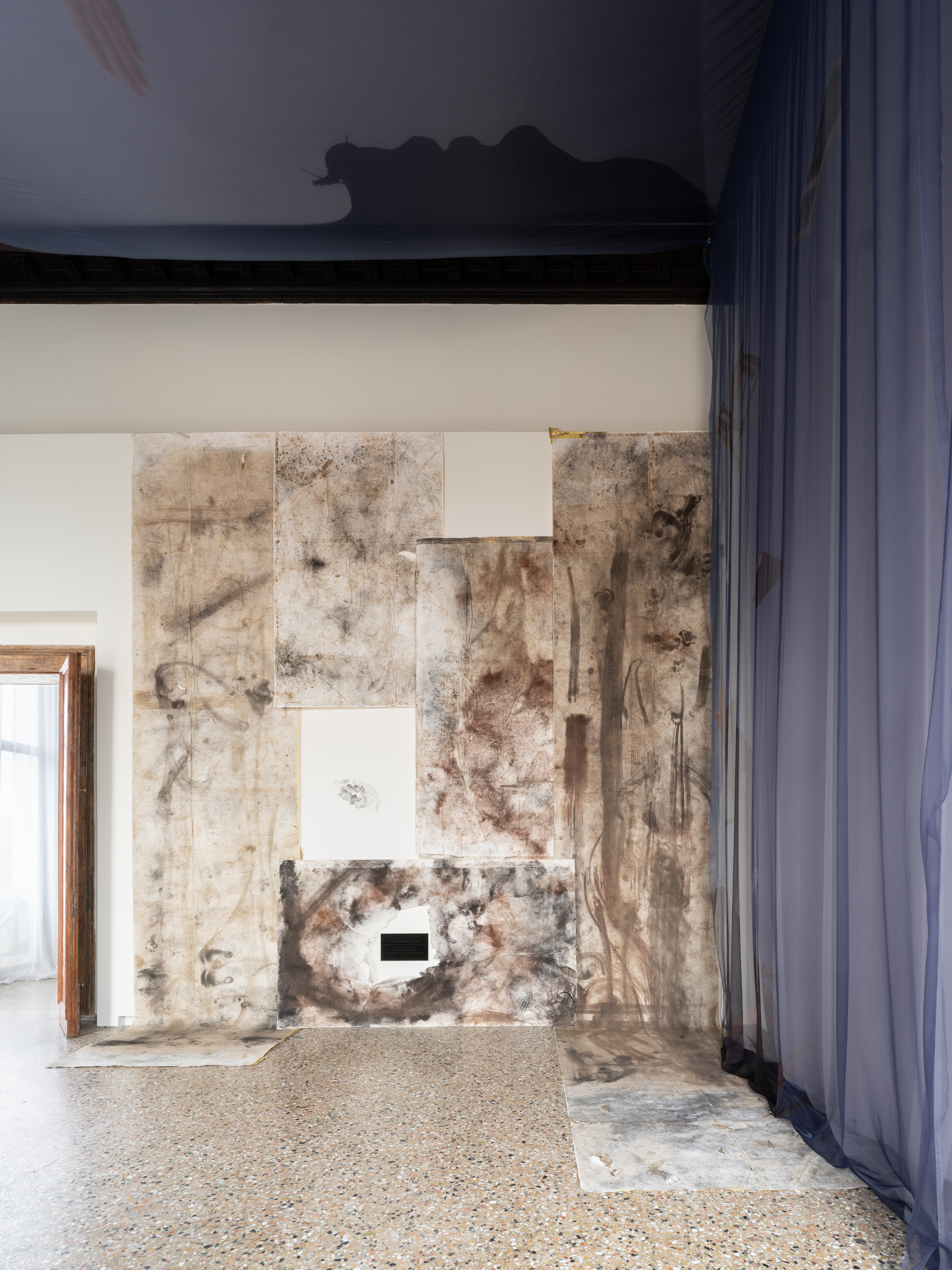
- The Ground Floor features a major new collaborative commission by Mat Dryhurst and Holly Herndon in partnership with SUB. This level will function as a vibrant hub for time-based interventions, including lectures, performances, and screenings. Visitors can also explore the unique installation that runs for the duration of the exhibition.
- The First Floor presents a series of site-specific installations and selected video works that expand on the themes of Protocol Art, creating a direct dialogue with the activations occurring on the ground floor.
- Second Floor - Palazzo Diedo's Black Box presents a selection of video works that probe the intricate layers of contemporary society, its entaglement with technology, and the invisible protocols quietly underpinning them.
-
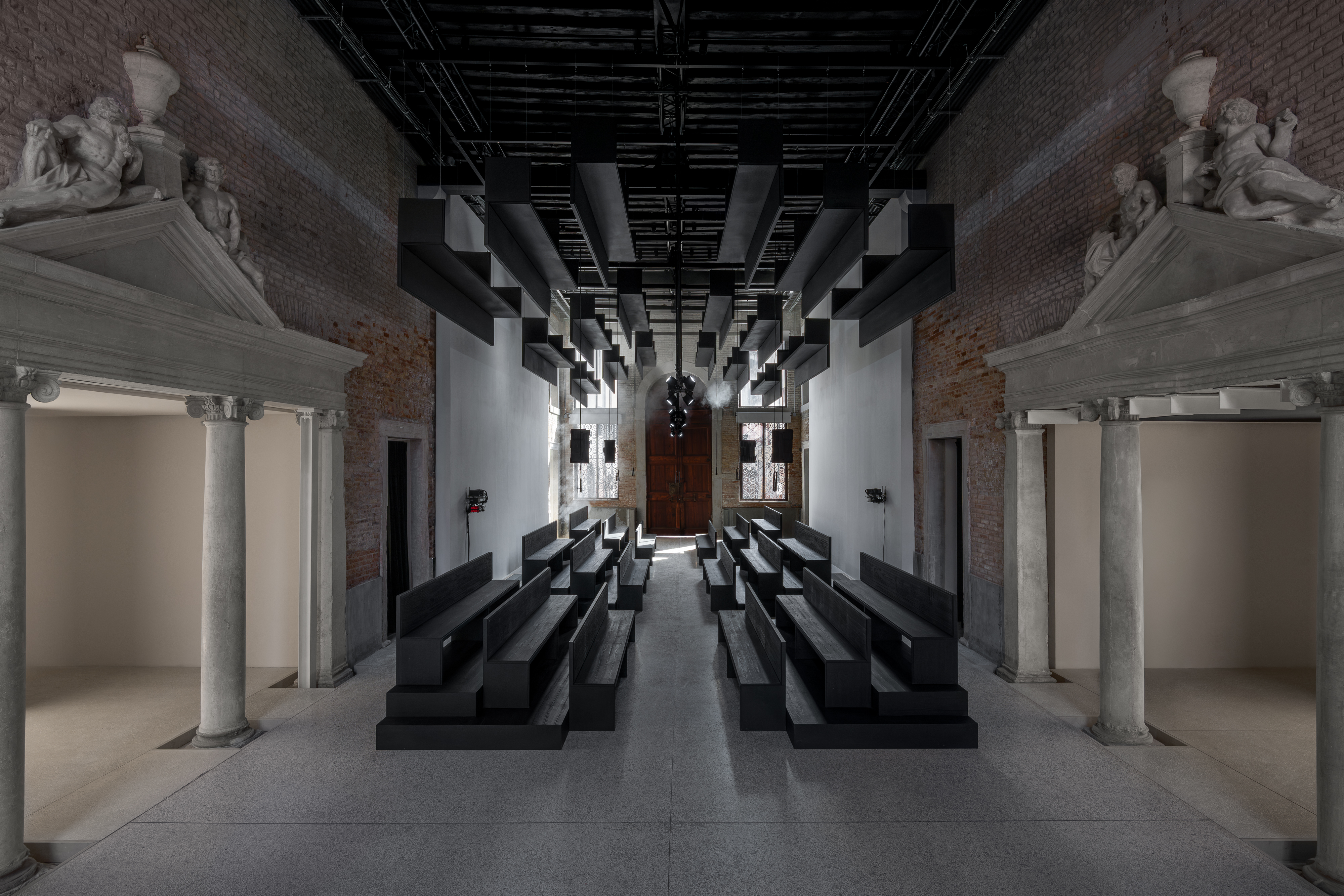
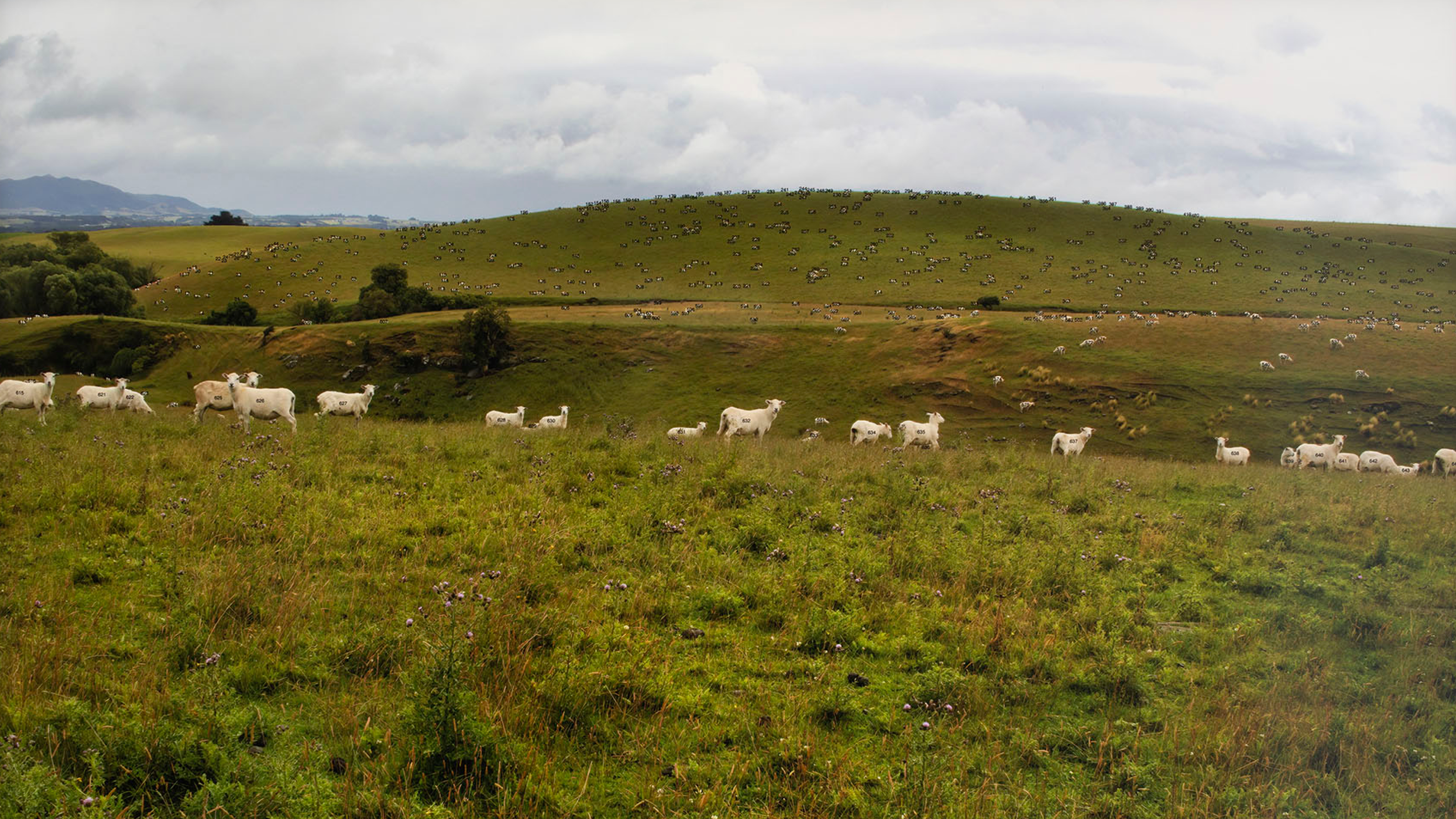
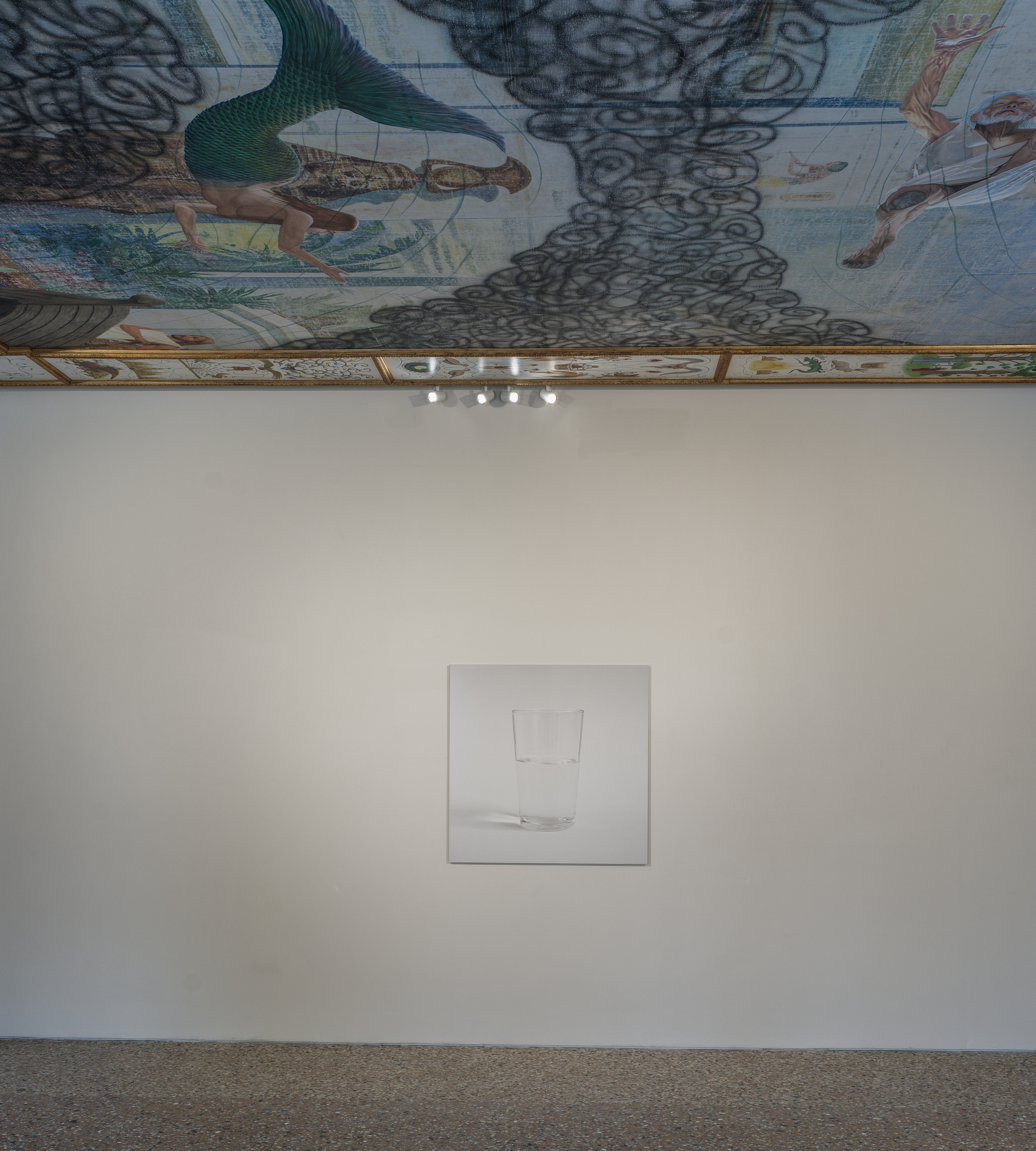
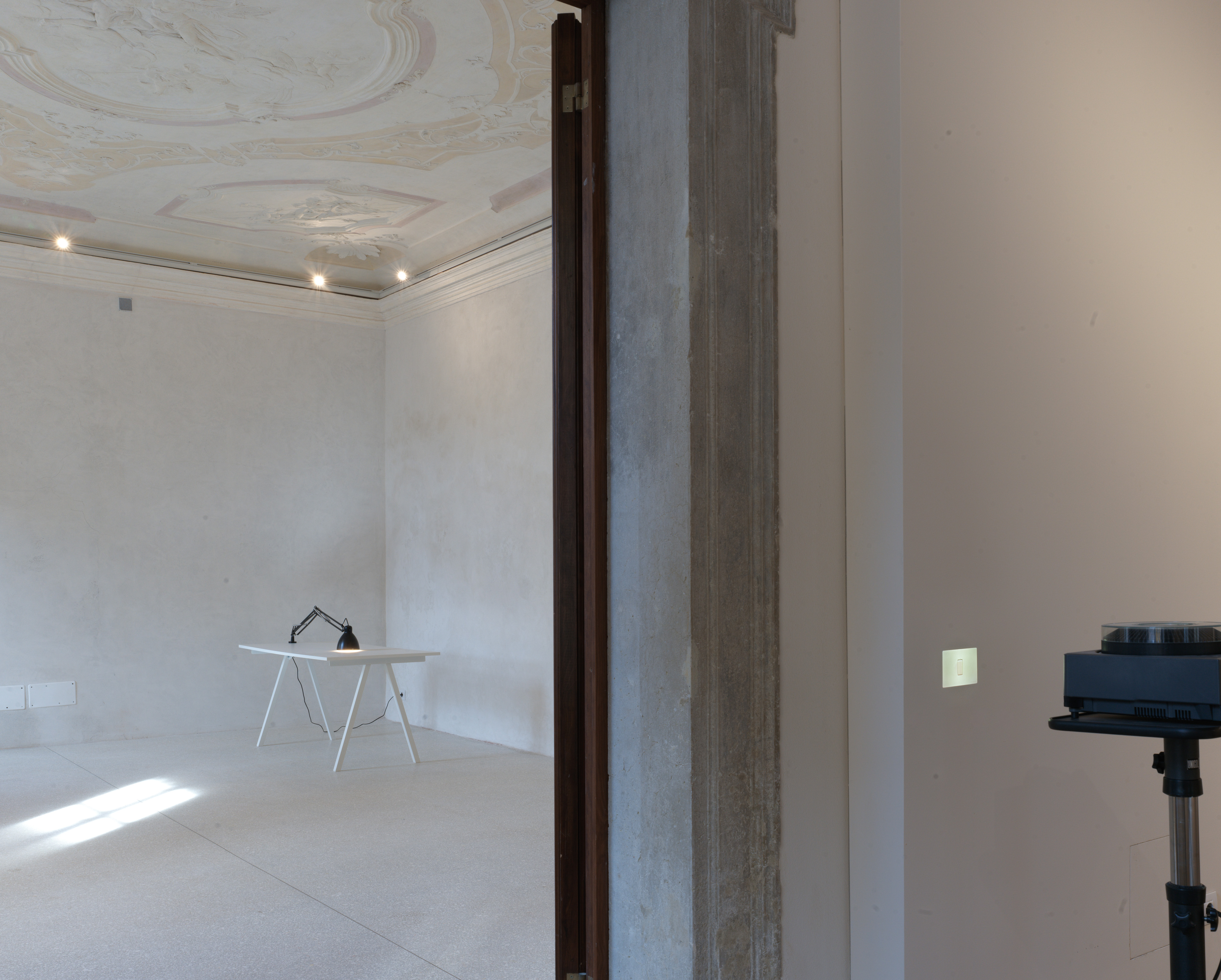
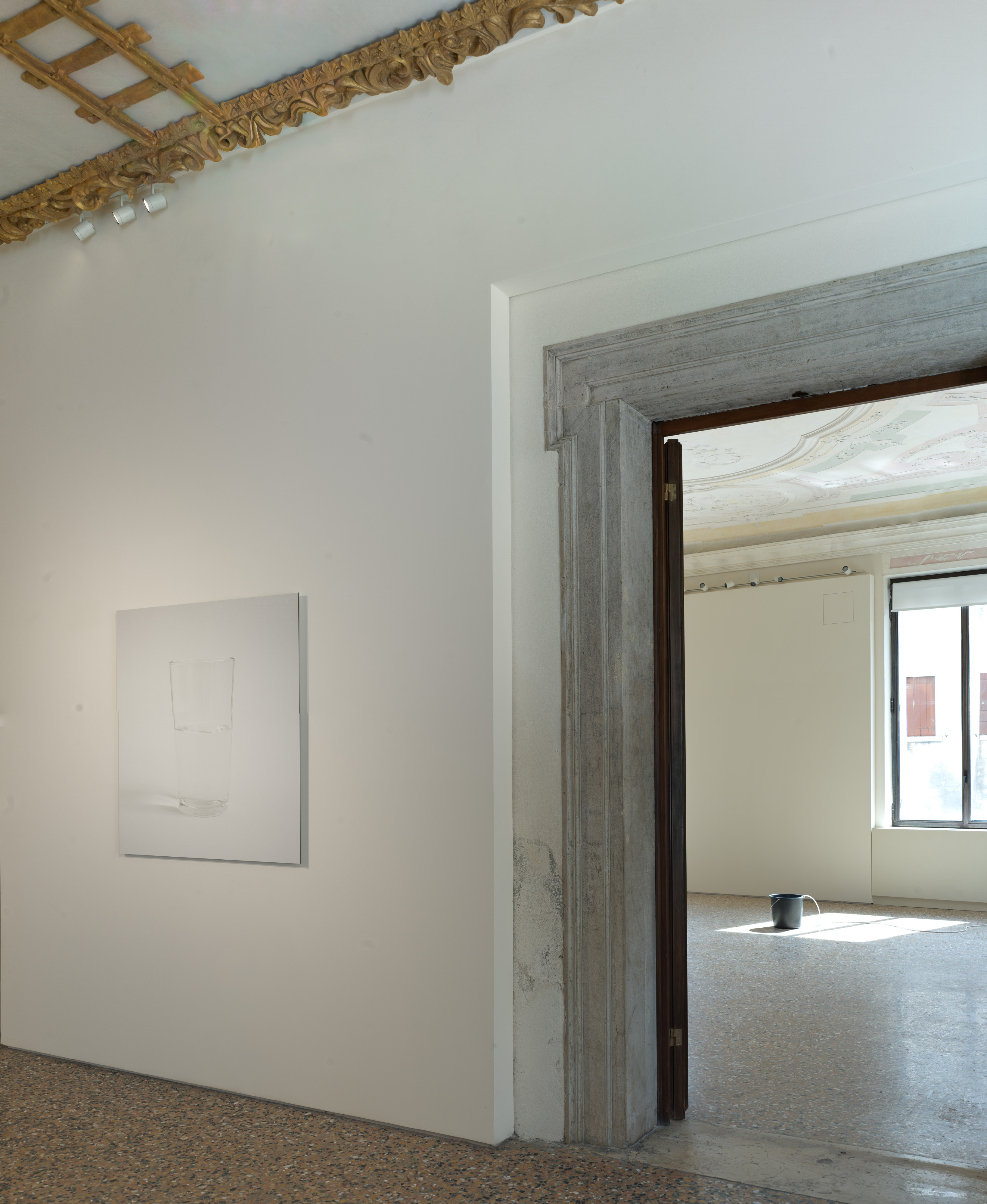
Holly Herndon & Mat Dryhurst, Attention Guild, 2026. Foto di Stefano Mattea
-
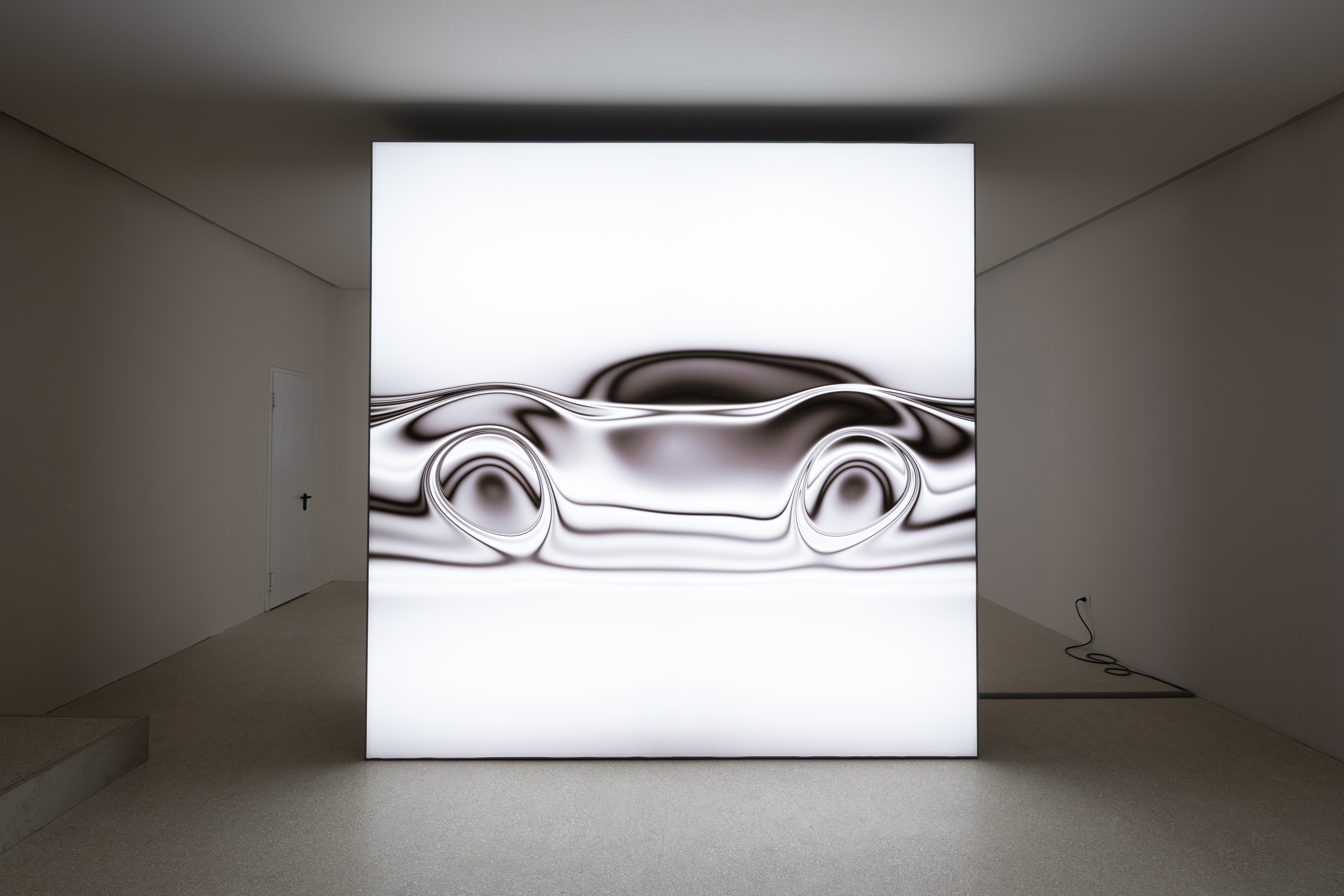
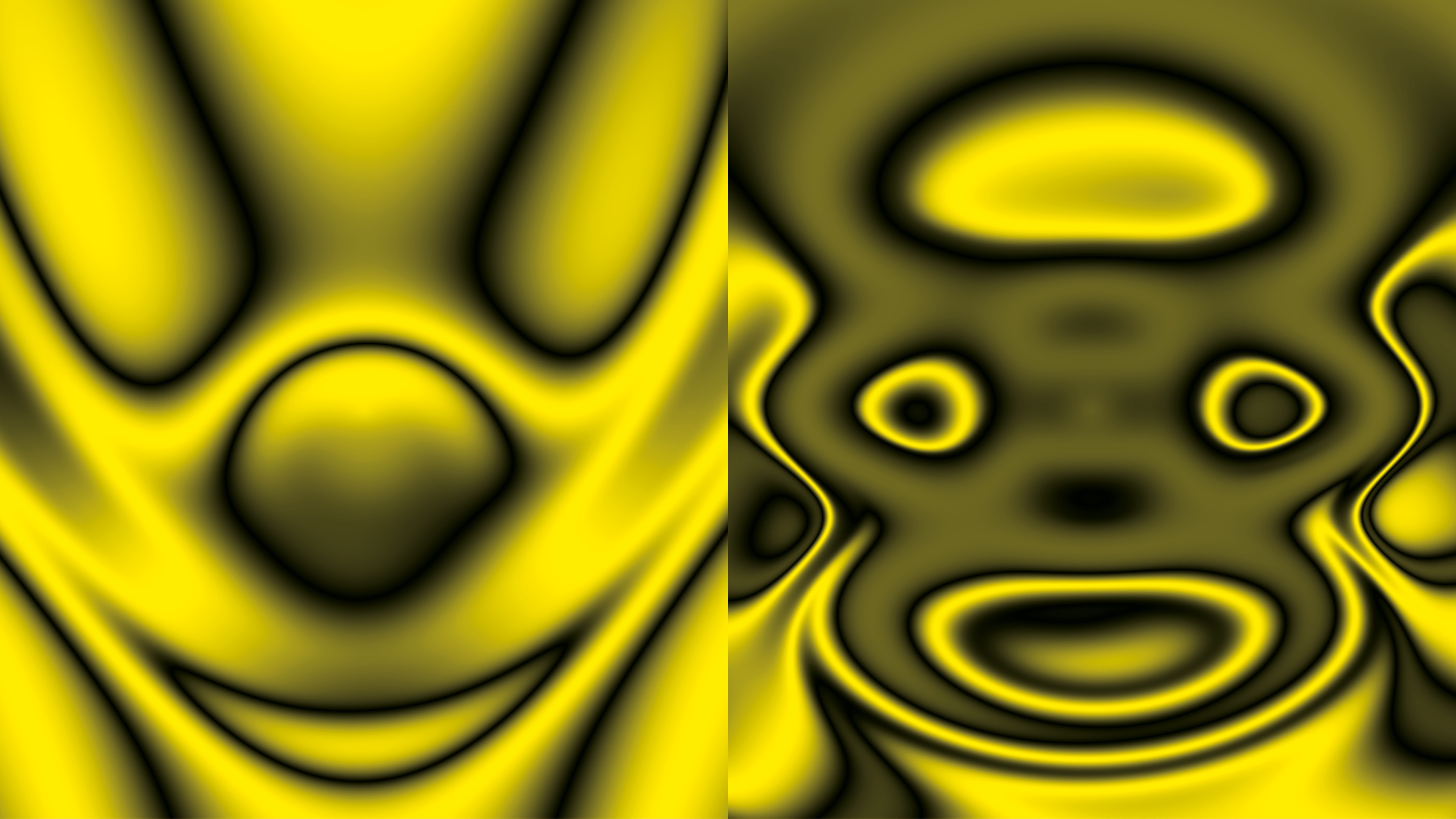
Ken Stanley, Picbreeder, 2007. Foto di Stefano Mattea
-
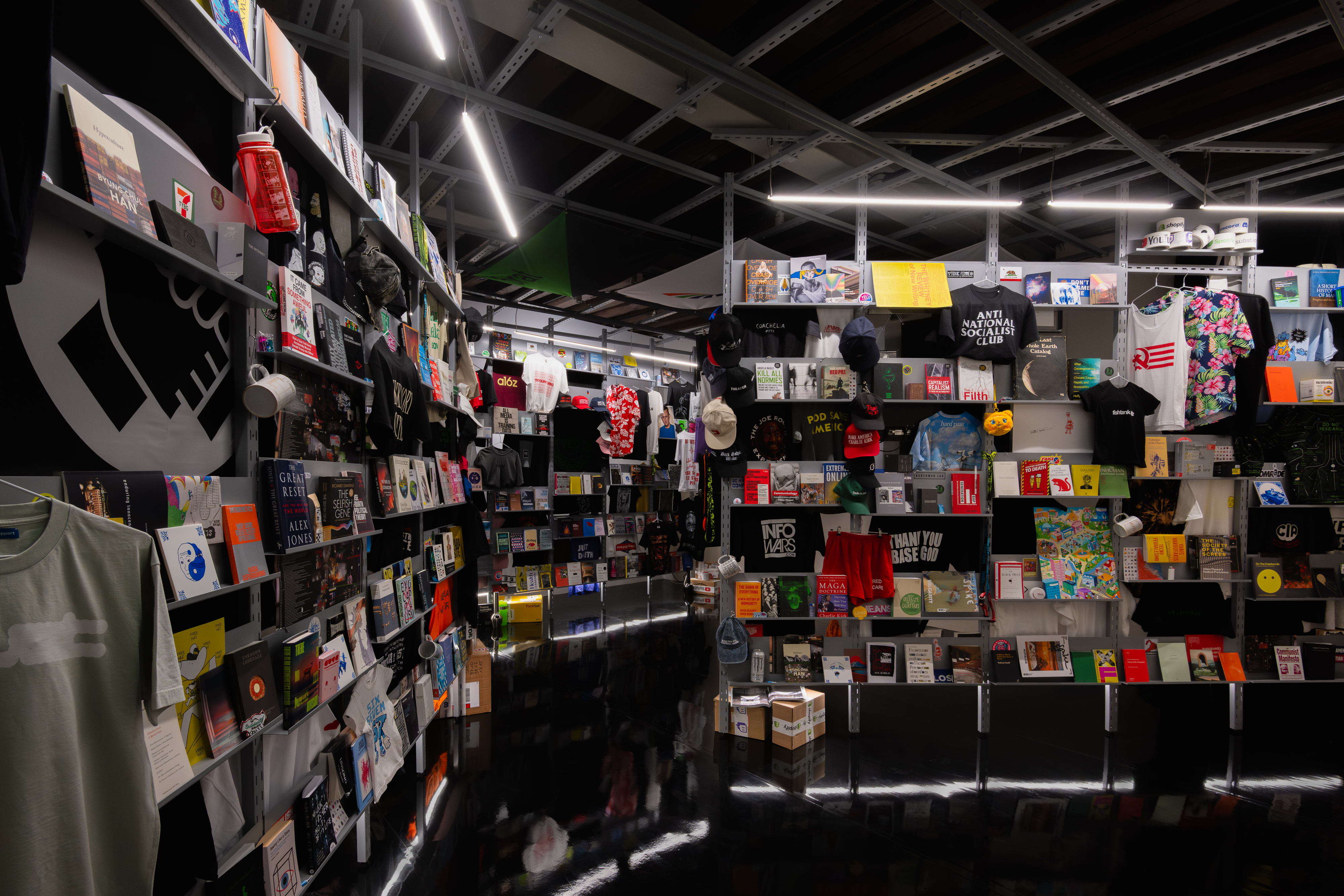
Joshua Citarella & New Models, Marketplace of Ideas, 2026. Foto di Stefano Mattea
-
Ayoung Kim, Dancer in the Mirror Field. Photo by Joan Porcel Studio
-
Simon Denny Venkatesh Rao, Monsters Between Worlds. Photo by Joan Porcel Studio.
-
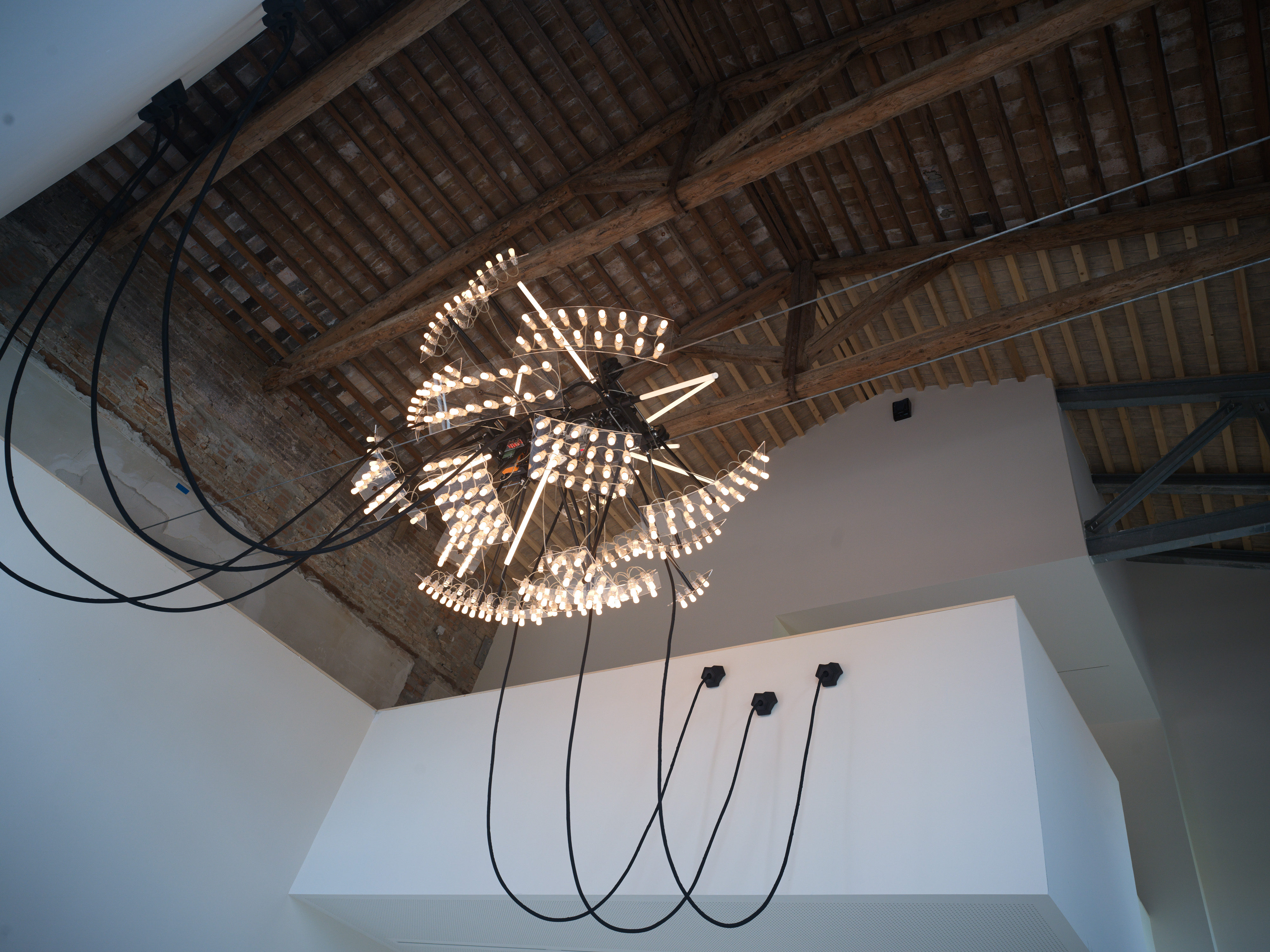
Philippe Parreno, The Diambulist Humself. Photo by Joan Porcel Studio.
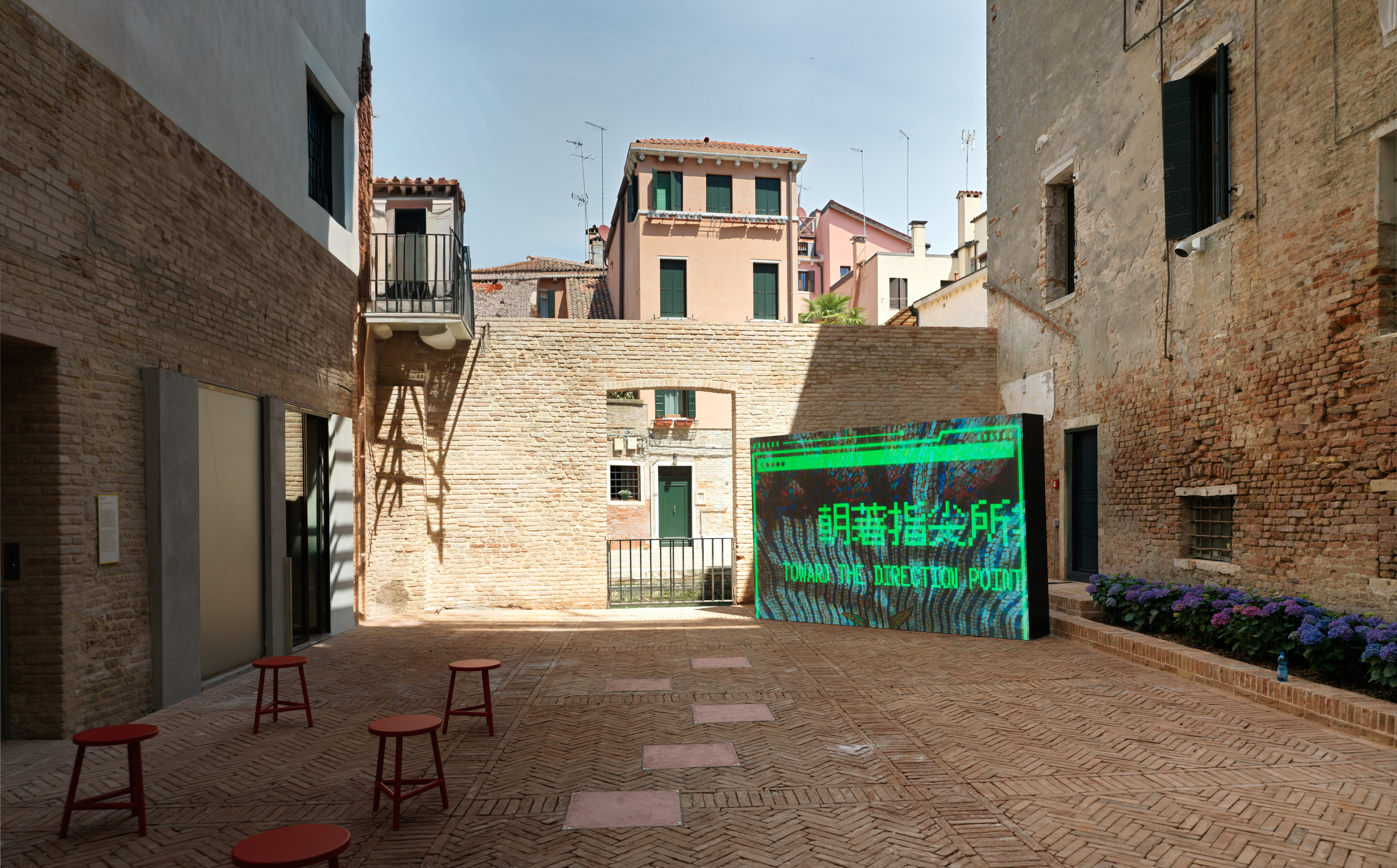

Artists
-
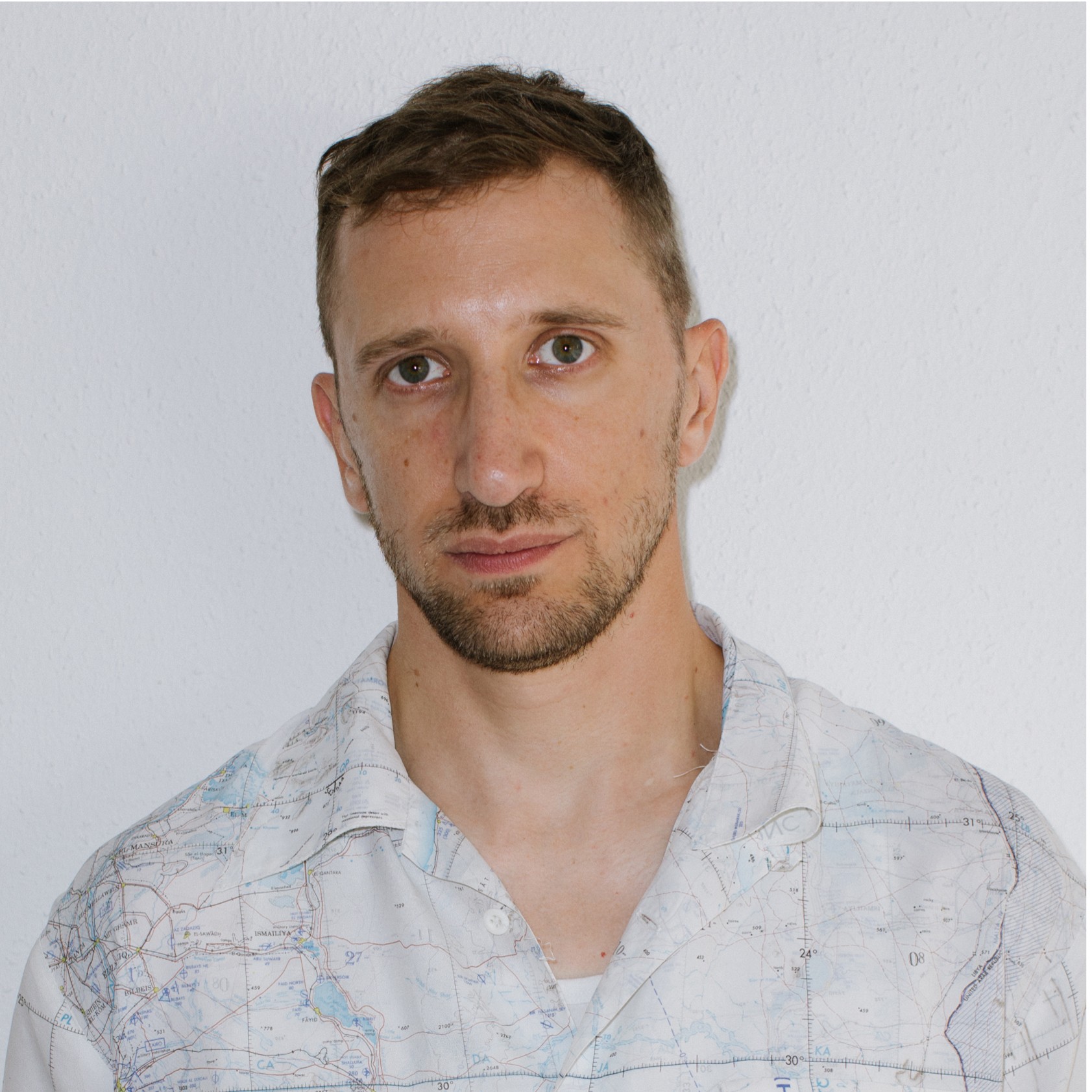
Lawrence Abu Hamdan
Lawrence Abu Hamdan, the “Private Ear,” is an artist and audio investigator whose work has been presented in the form of forensic reports, lectures and live performances, films, publications, and exhibitions all over the world.
-
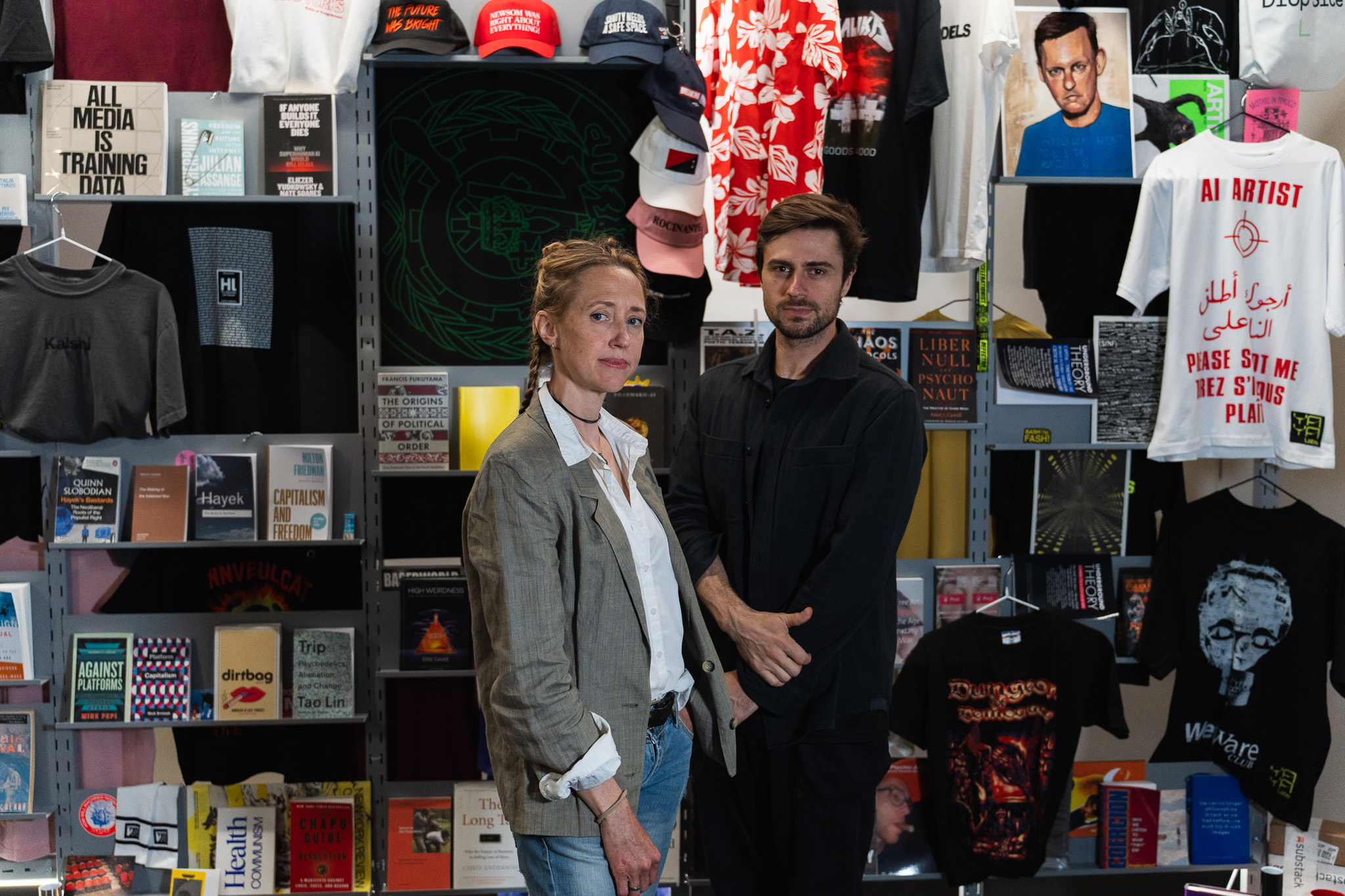
Joshua Citarella & New Models
Joshua Citarella (1987, New York, USA) artist and internet culture writer.
New Models is a non-linear media channel & community addressing the emergent effects of networked technology on life. -
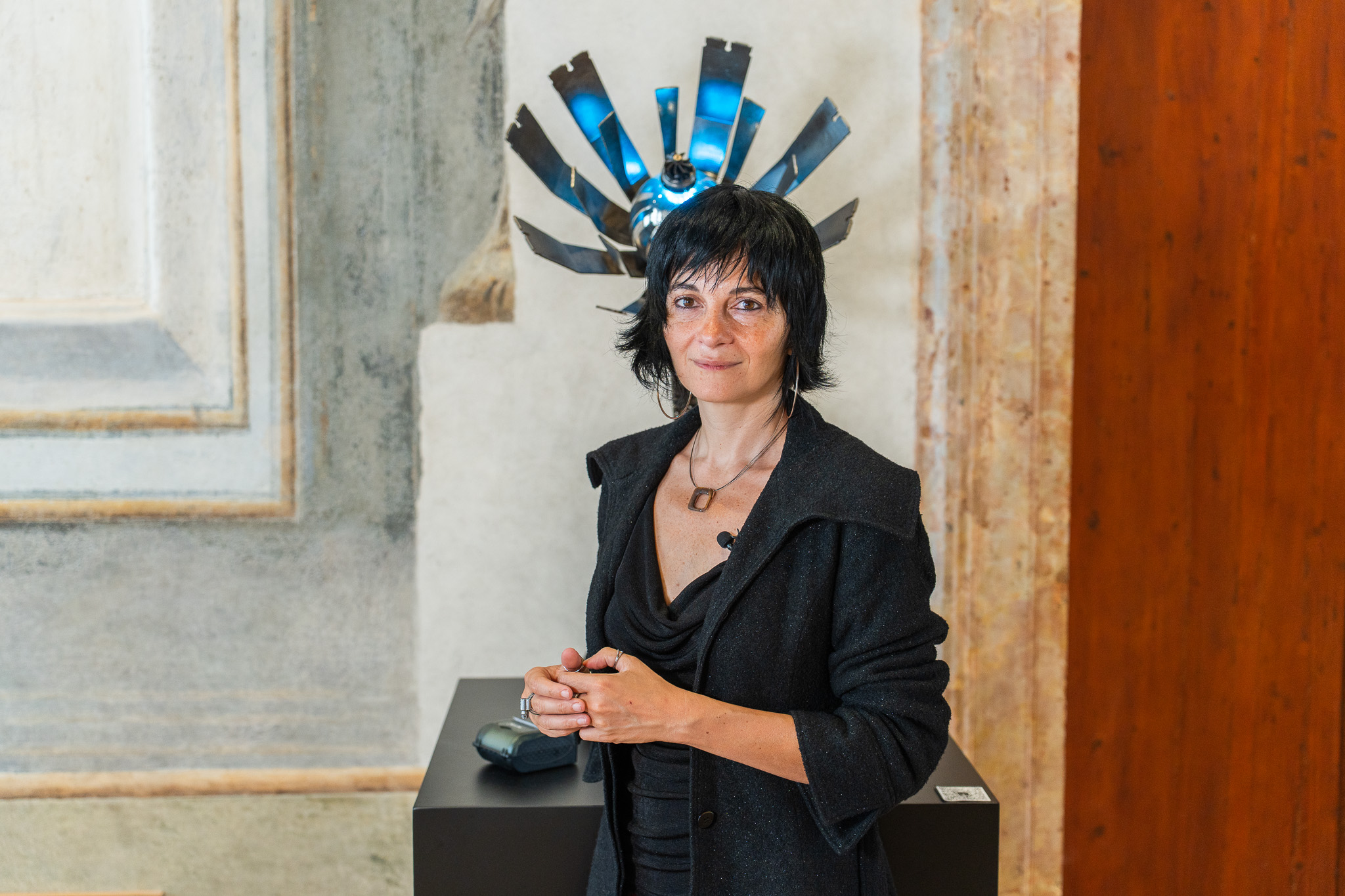
Primavera De Filippi
Primavera De Filippi is an artist and legal scholar at Harvard University, exploring the intersection between art, law and technology, focusing specifically on the legal and political implications of blockchain technology.
-
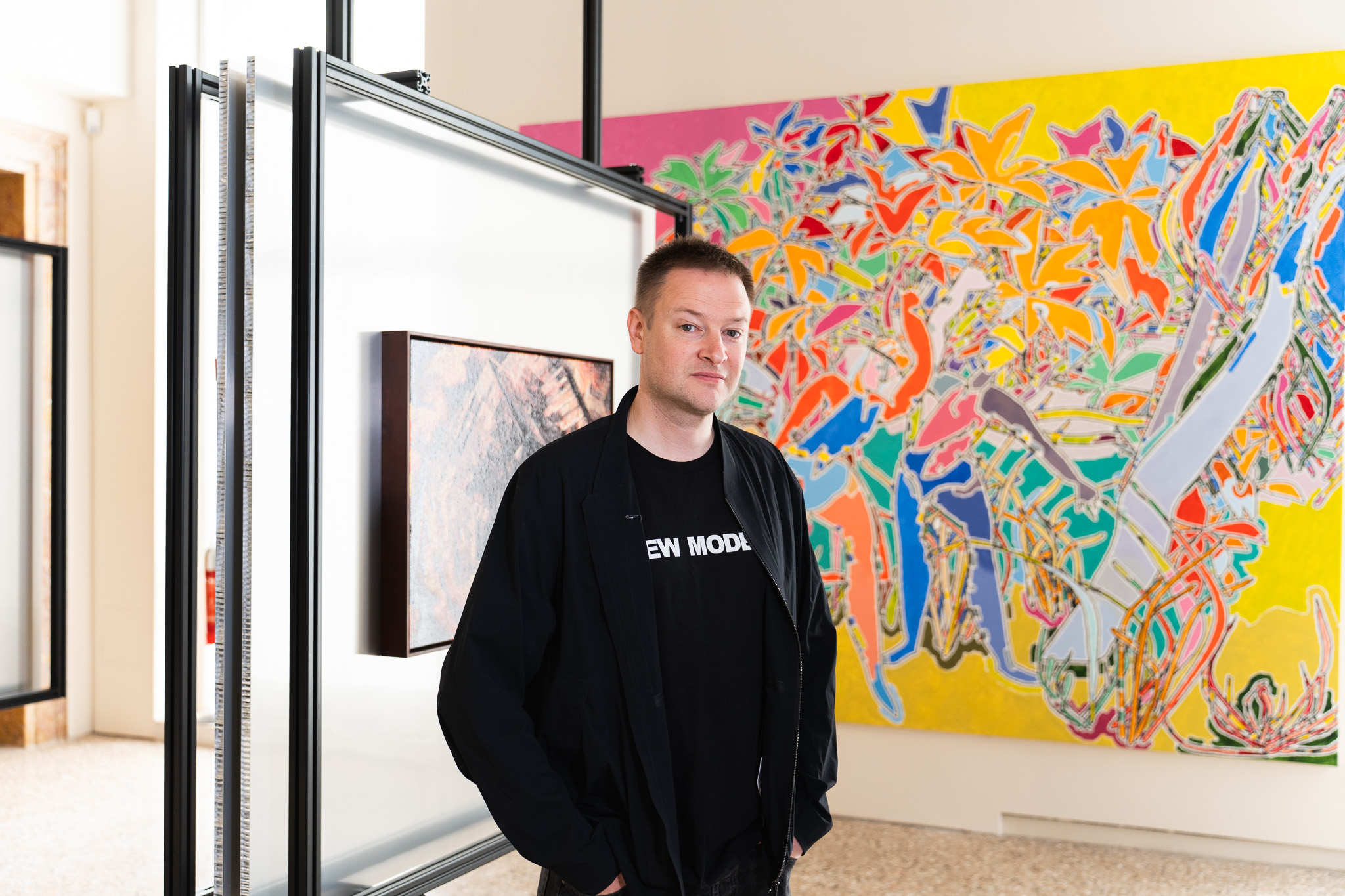
Simon Denny & Venkatesh Rao
Simon Denny (1982, Auckland, NZ) makes projects that unpack the stories technologists tell us about the world using a variety of media. Venkatesh Rao (1974, IN) is a writer and consultant
-
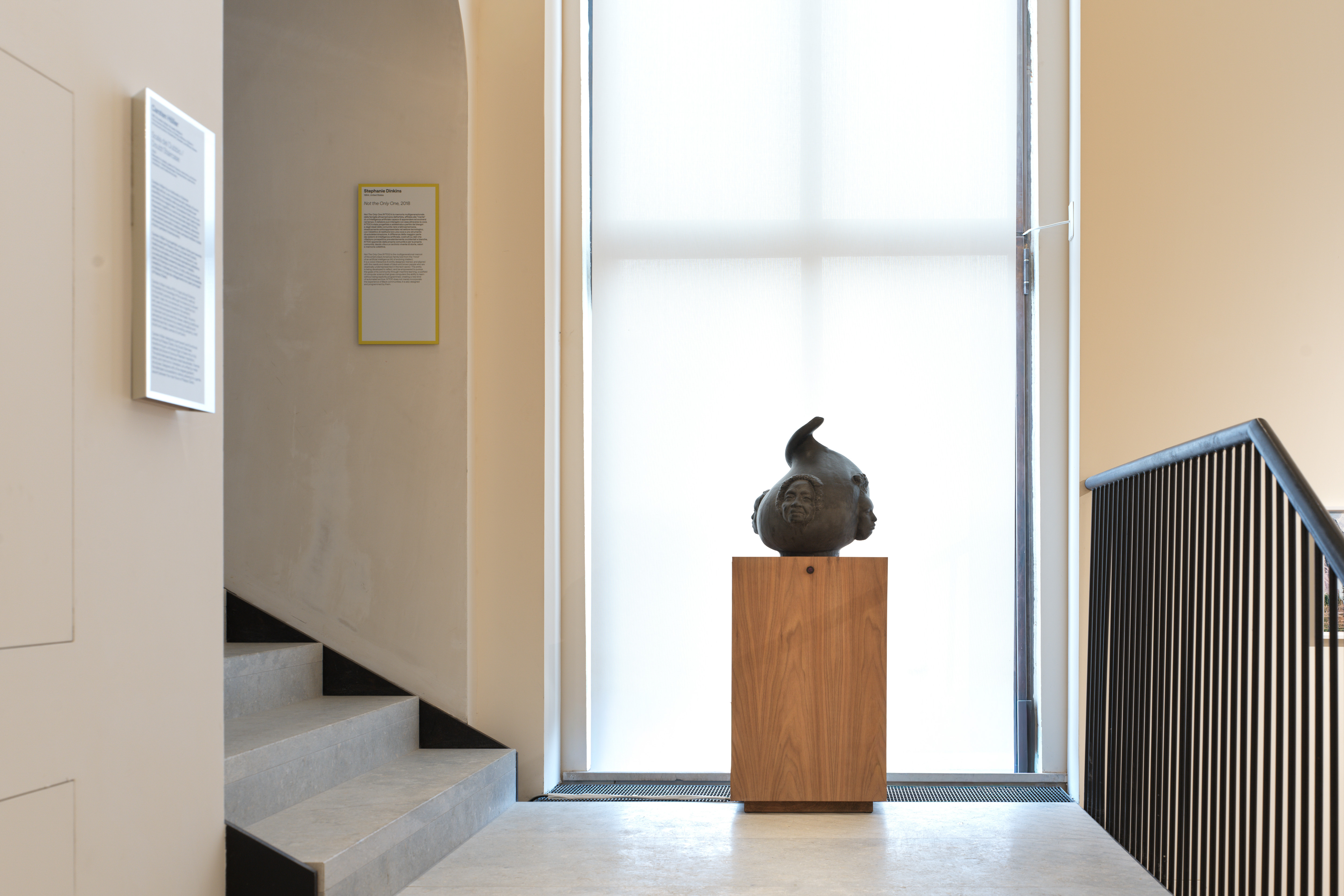
Stephanie Dinkins
Stephanie Dinkins (1964, Perth Amboy, USA) is a transdisciplinary artist whose work sits at the intersection of emerging technologies and future histories.
-
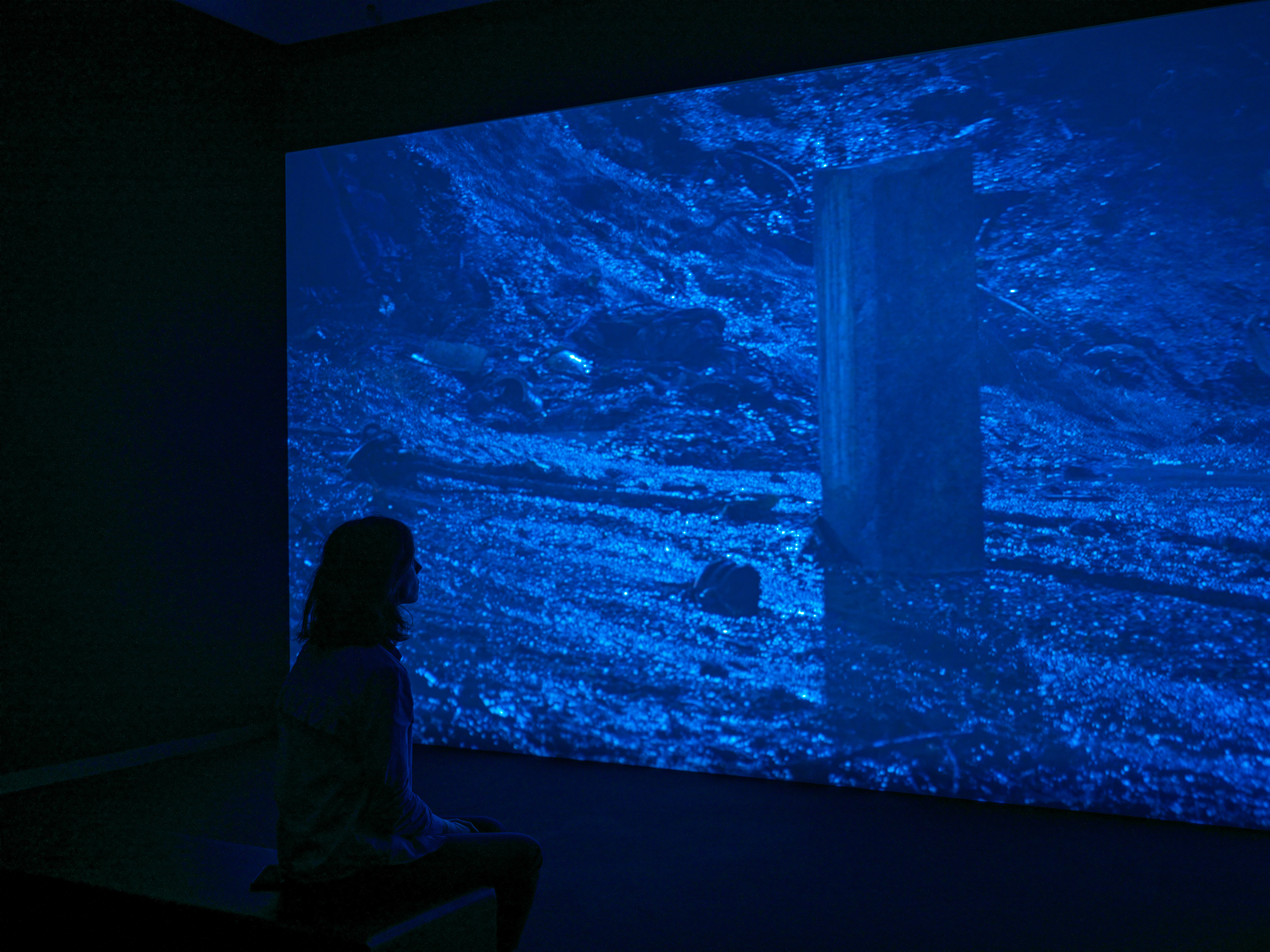
Fabien Giraud
Fabien Giraud (1980, Paris, France) explores the history and evolution of technologies.
-
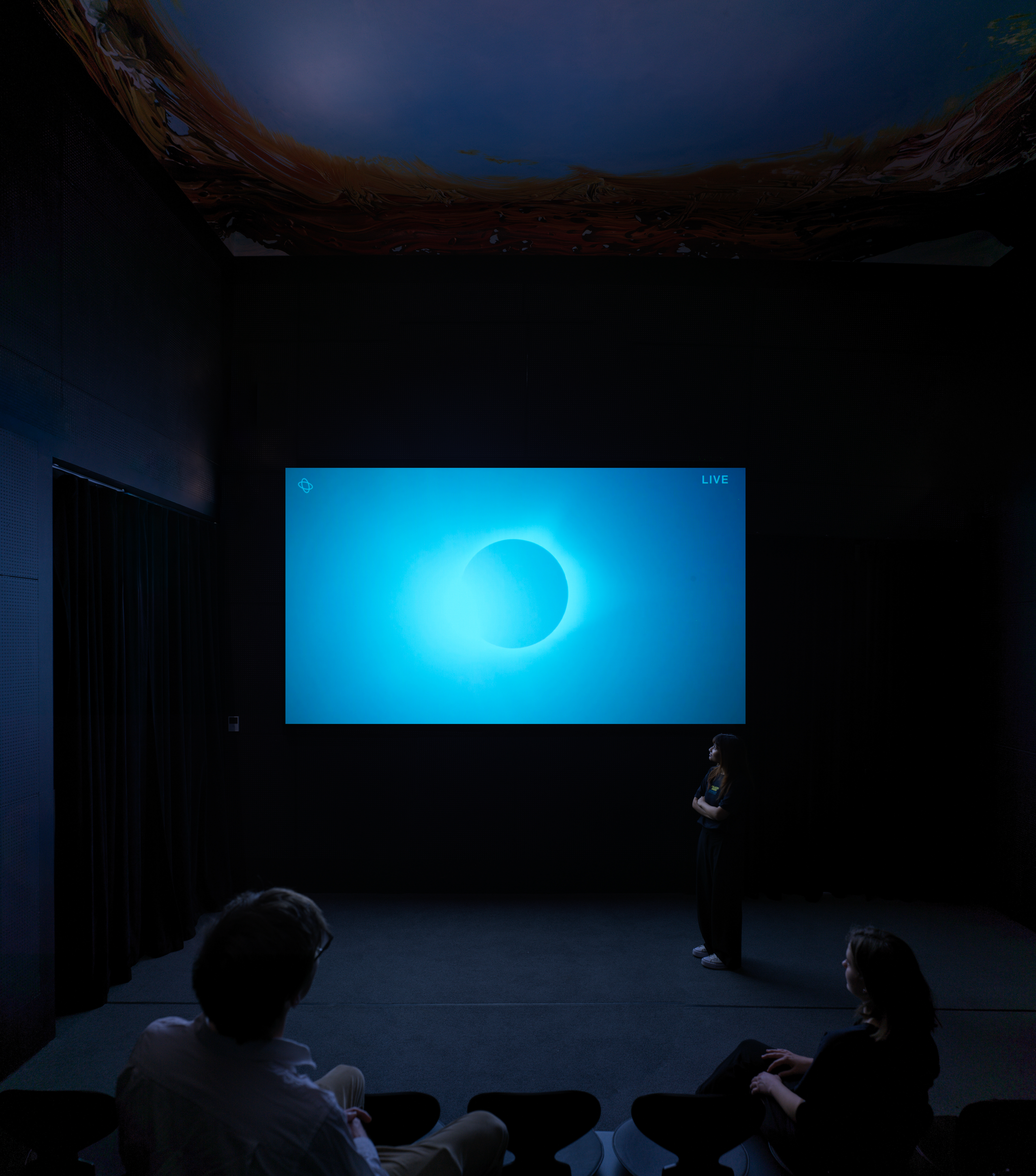
He Zike
He Zike (1990, Guiyang, CN) artist who works with mediums including video, writing, performance, prints, and computer program.
-

Mat Dryhurst & Holly Herndon
Mat Dryhurst (1984, Birmingham, UK) artist, musician, and technological researcher.
Holly Herndon (1980, Johnson City, USA) artist and composer. -
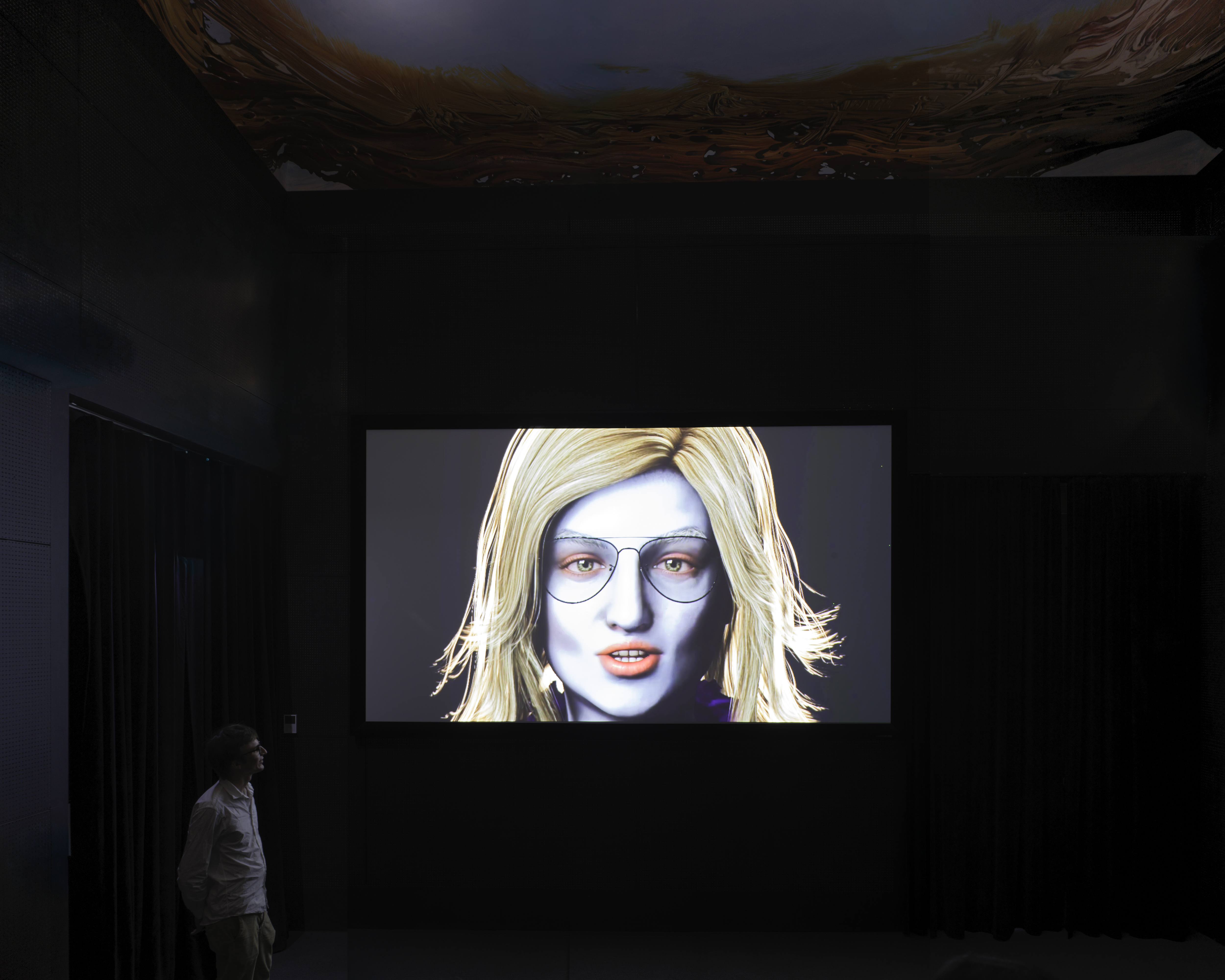
Lynn Hershman Leeson
Lynn Hershman Leeson (1941, Cleveland, USA) artist whose work spans installation, photography, video, interactive media, and Net Art, engaging with themes of surveillance, privacy and artificial intelligence.
-
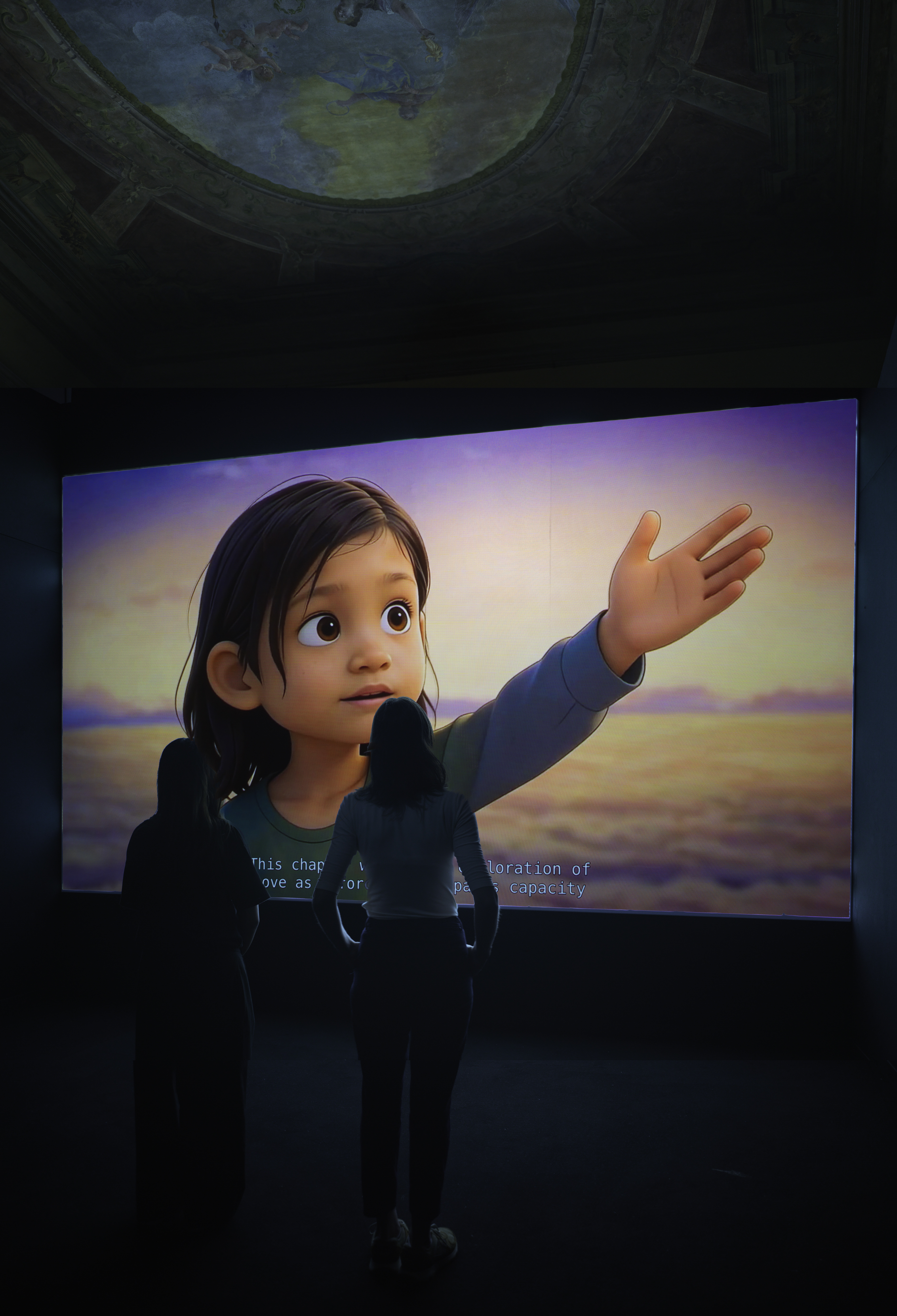
Ho Tzu Nyen
Ho Tzu Nyen (1976, Singapore) is a multidisciplinary artist weaving fictions out of Asia’s histories.
-
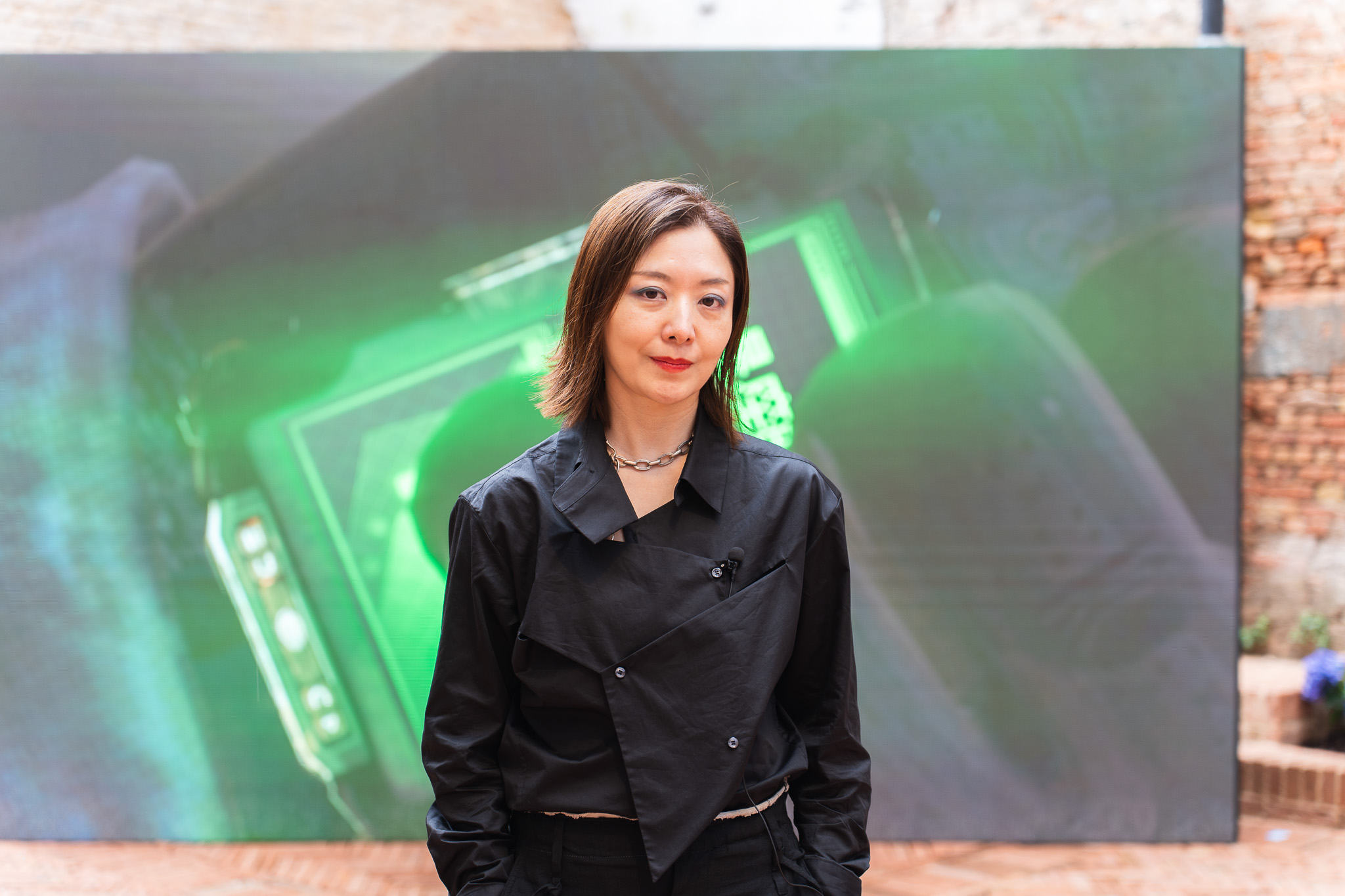
Ayoung Kim
Ayoung Kim (1979, Seoul, KR) is recognized as an artist on the vanguard of digital innovation.
-
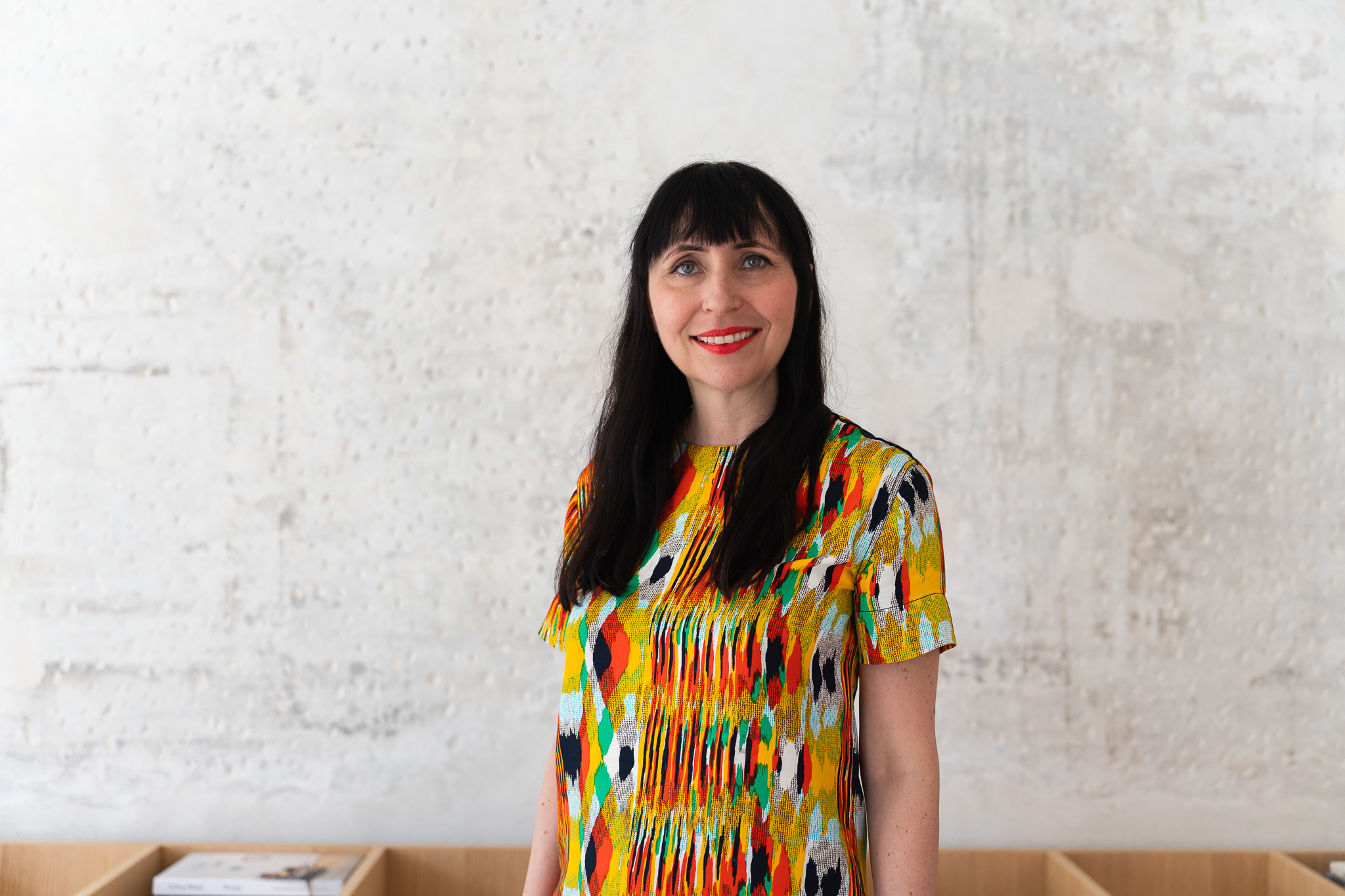
Agnieszka Kurant
Agnieszka Kurant (1978, Łódź, PL) artist whose work investigates collective and nonhuman intelligences, the future of labor and creativity, and the exploitations within digital capitalism.
-
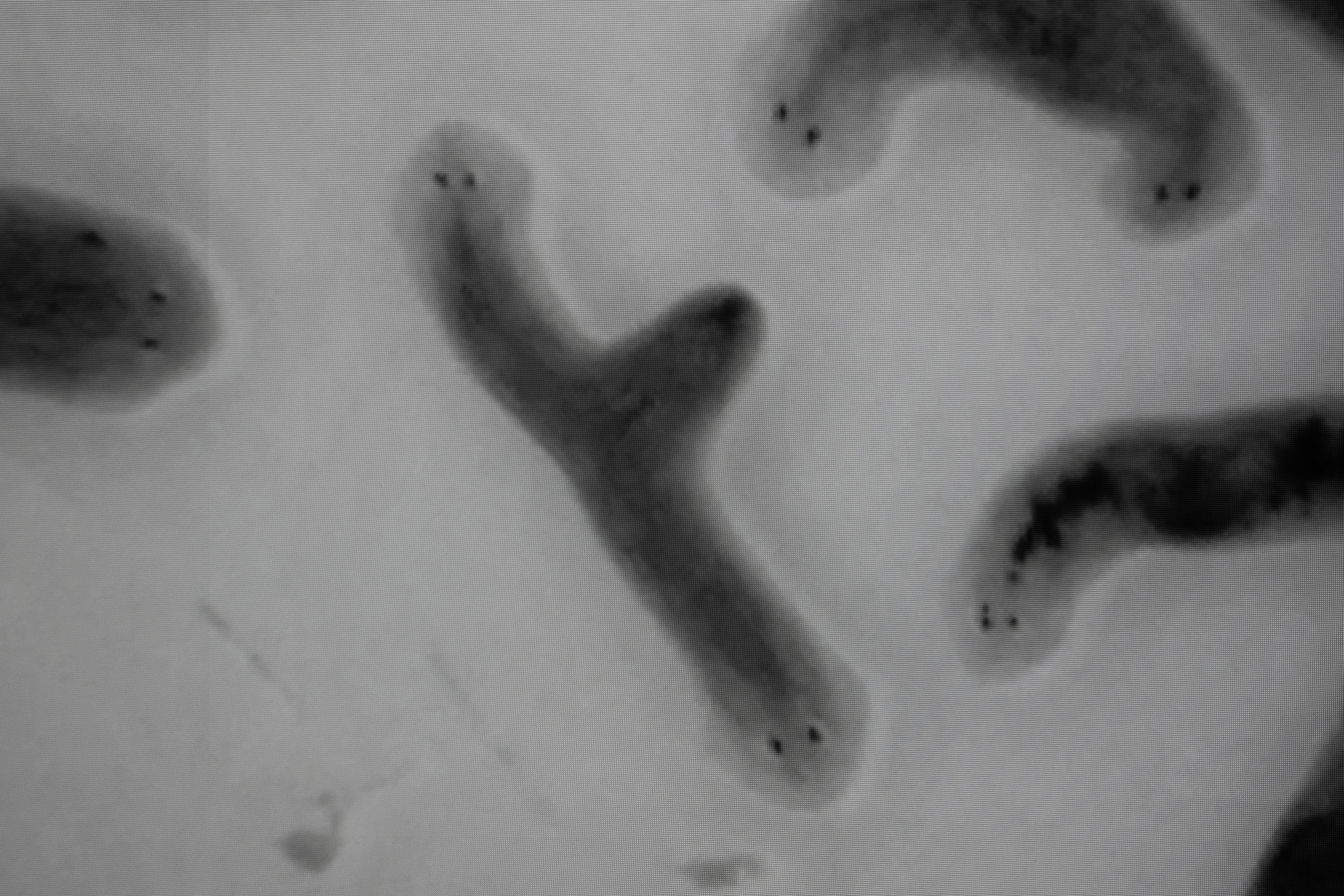
Michael Levin
Michael Levin (1969, Moscow, URSS) is Distinguished Professor in the Biology department at Tufts.
-
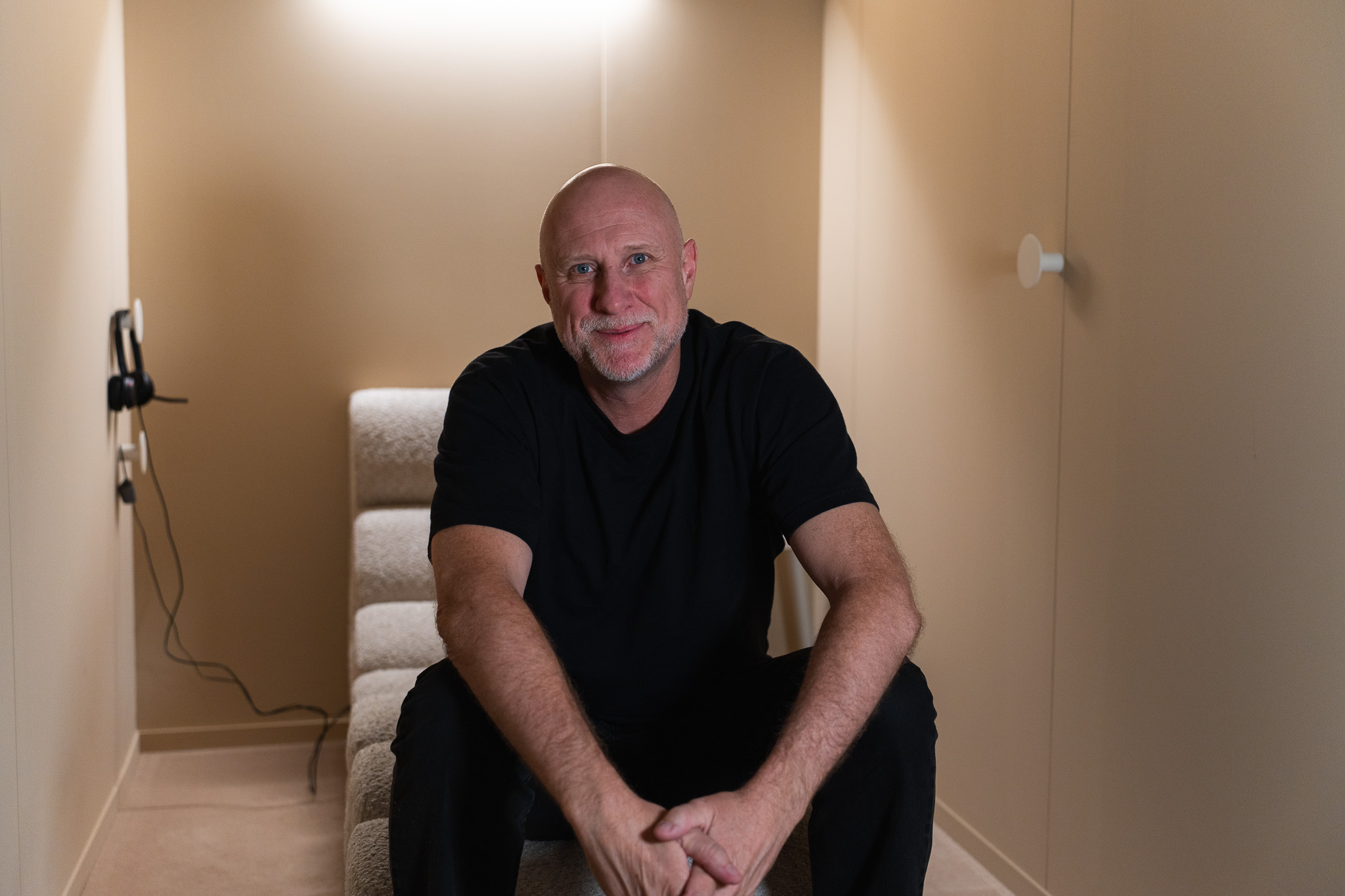
Trevor Paglen
Trevor Paglen (1974,Camp Springs, USA) is an artist whose work spans image-making, sculpture, investigative journalism, writing, engineering, and numerous other disciplines.
-
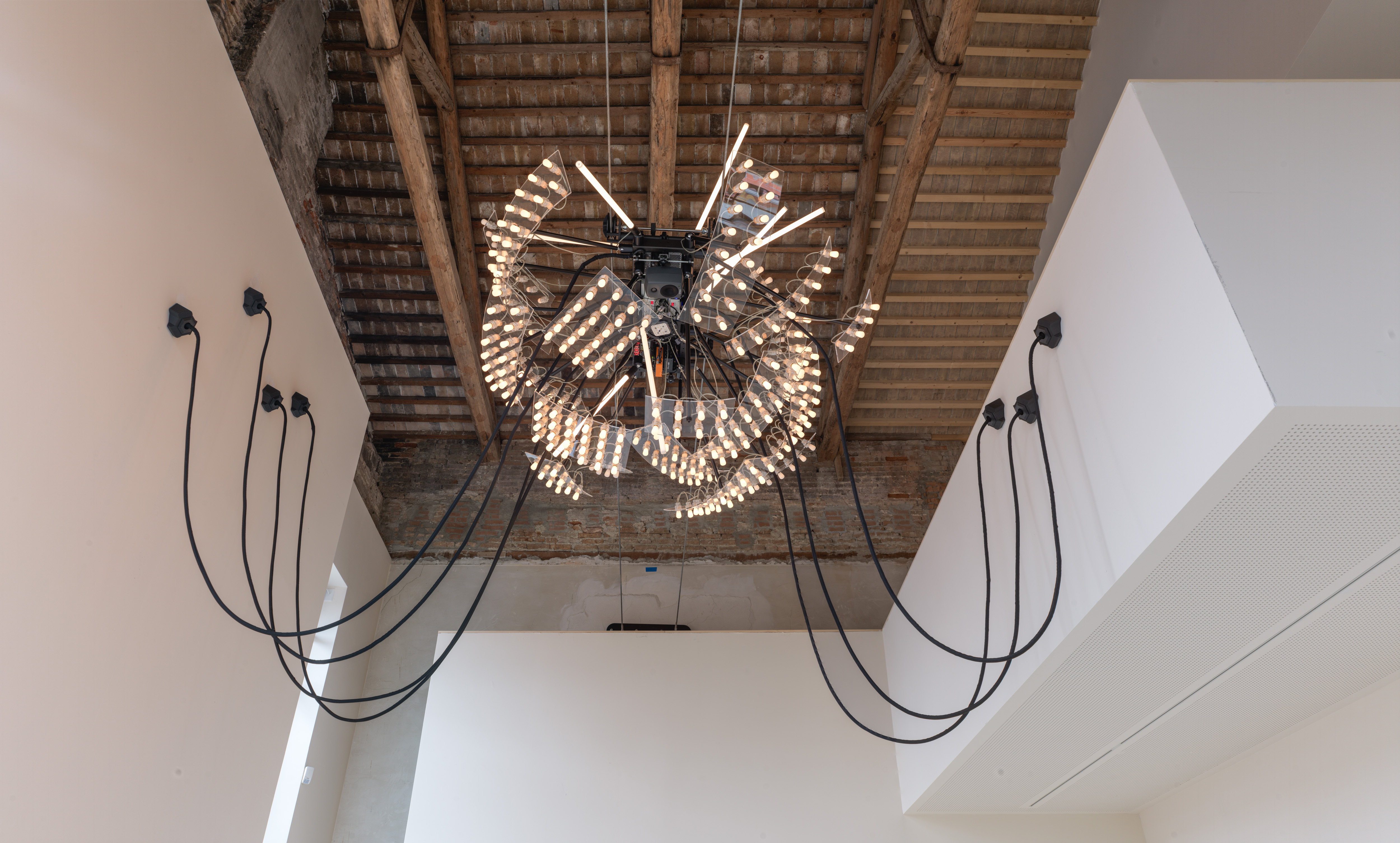
Philippe Parreno
Philippe Parreno is a French artist who rose to prominence in the 1990s, earning critical acclaim for his work that spans a diversity of media, including film, sculpture, drawing, and text.
-
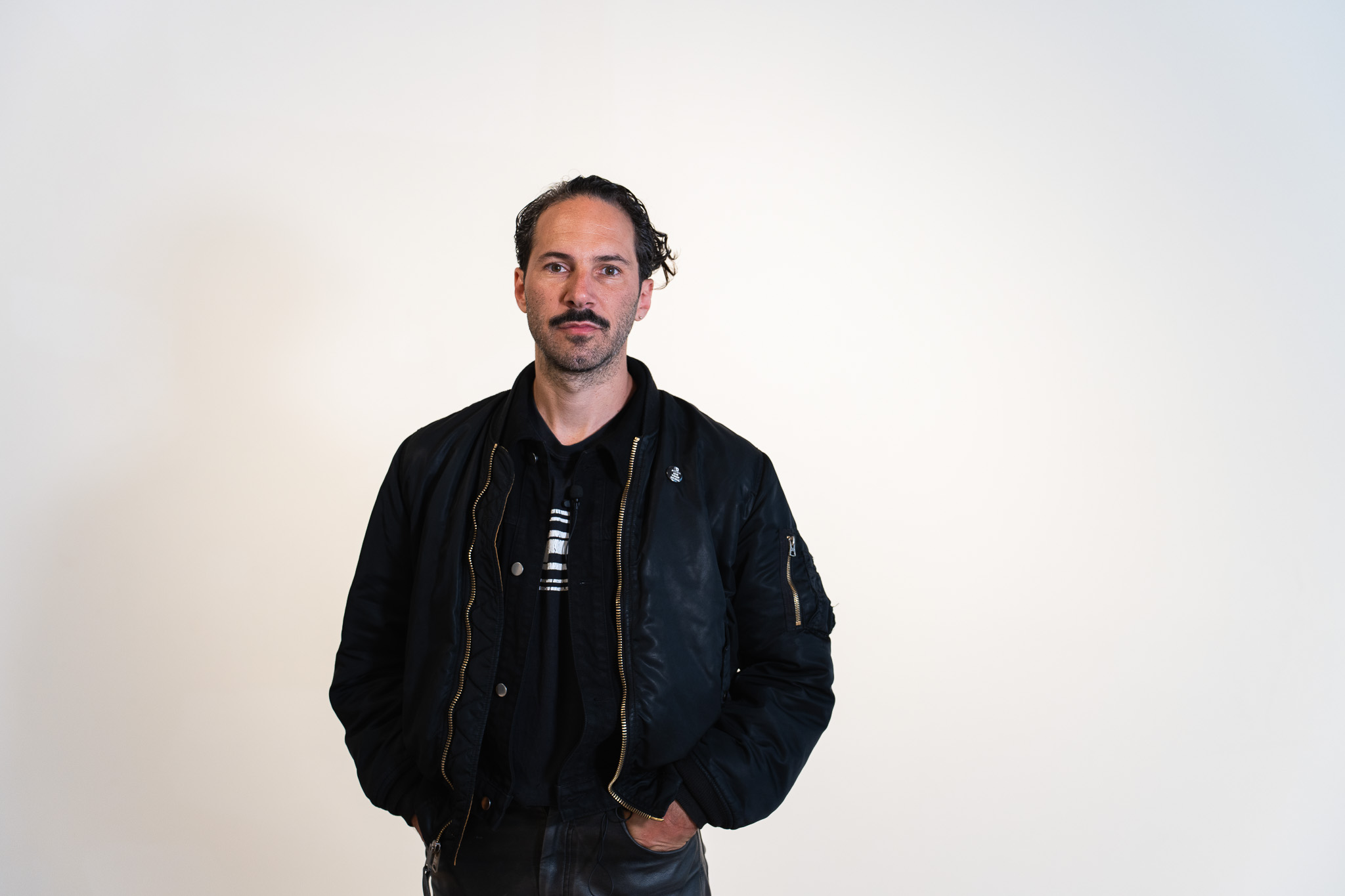
Lorenzo Senni
Lorenzo Senni (1983, Milan, IT) is a musician and visual artist.
-
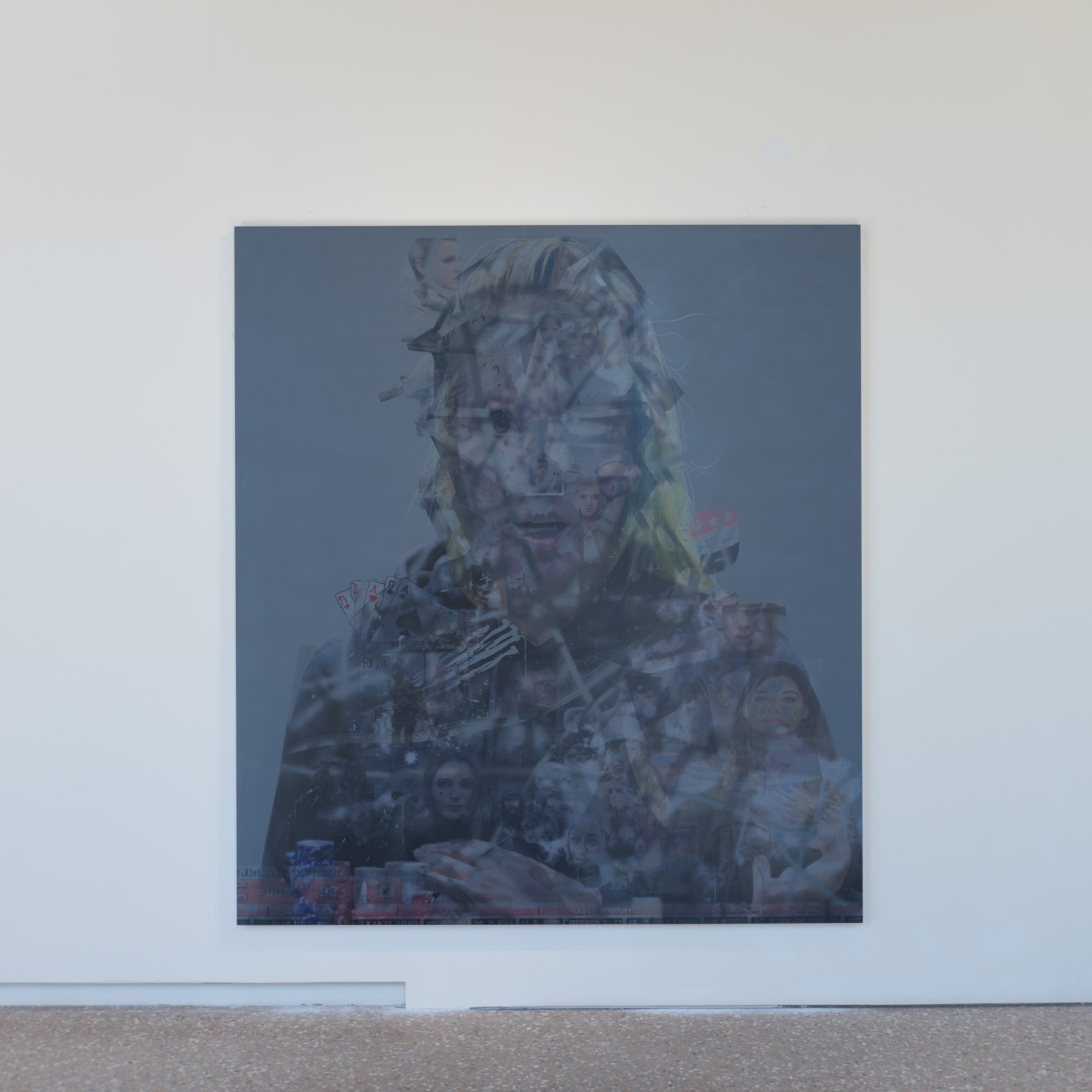
Avery Singer
Avery Singer (1987, New York, USA) artist whose work explores the possibilities in the convergence of painting and technology.
-
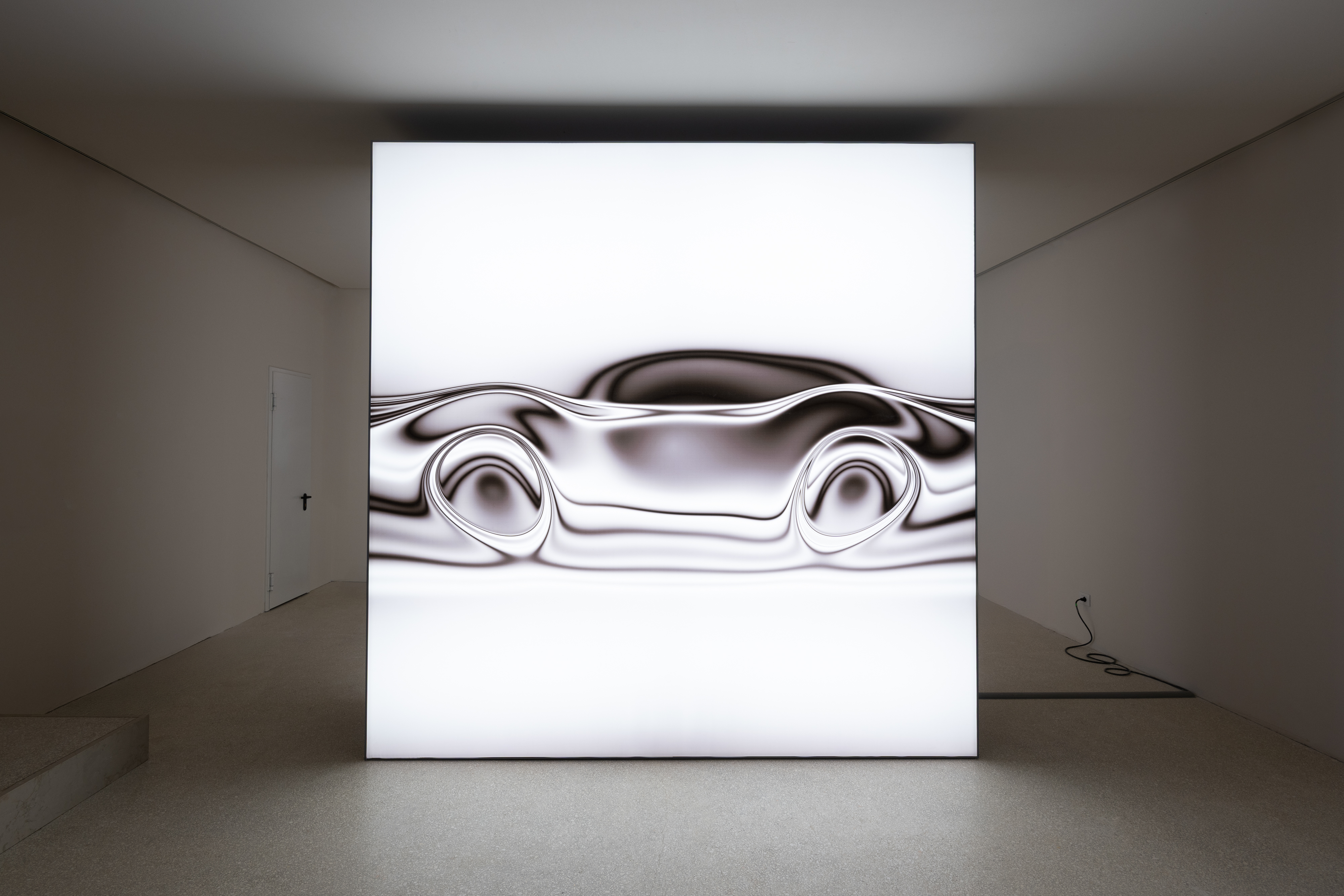
Ken Stanley
Ken Stanley is an AI and machine learning researcher (focused on open-ended discovery), author, and entrepreneur.
-
terra0
terra0 (Berlin, DE) has explored how ecosystems can become economic agents and engages in questions of collective ownership.
- Hits: 51952